
# How to connect water quality test results with pediatric advice: correcting common misunderstandings
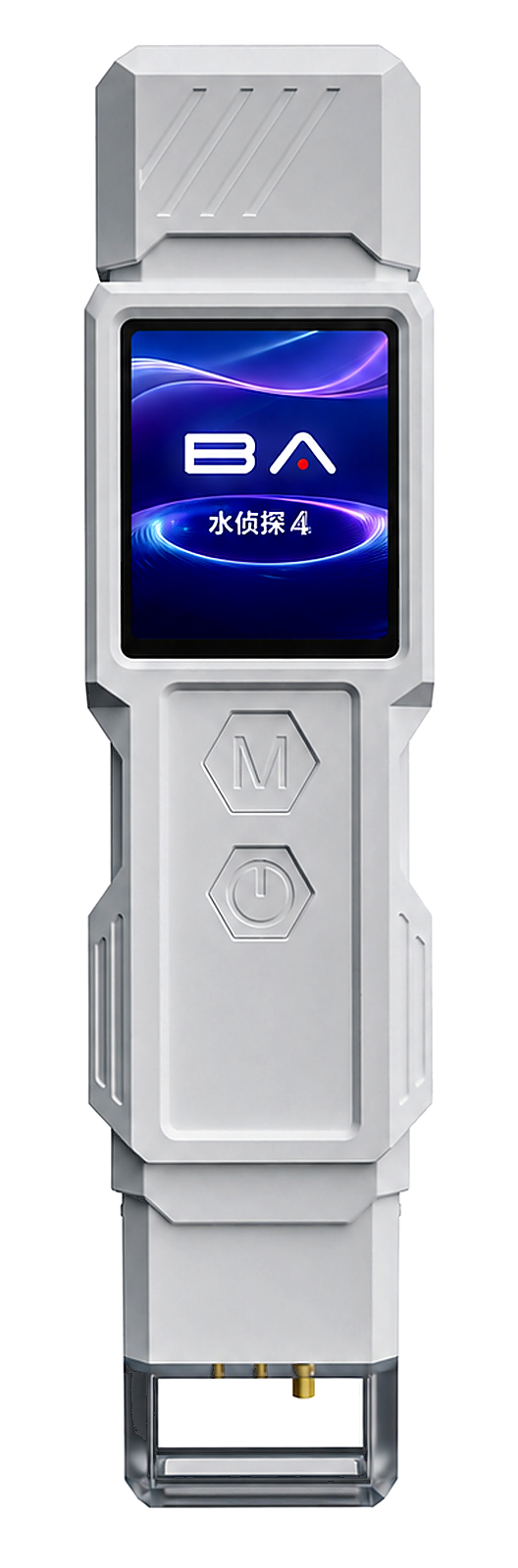
Infants and young children are more sensitive to changes in water quality, but household portable test pens are not a substitute for laboratories. Taking personal/household portable water quality test pens such as AtomBit Water Detective 4 (Water Detective 4) as an example, this article explains how to properly collect water samples in scenarios such as preparing formula milk, making complementary foods, using humidifiers, and comparing the effect of water purifier filter cartridges, how to interpret nine indicators including TOC, COD, UV254, turbidity, TDS, conductivity, salinity, hardness, and temperature, and how to distinguish screening, trend observation, and specific contaminant risks that require laboratory confirmation.
I. Intended users and decision questions
1.1 Intended audience
This article is mainly suitable for the following readers:
- Family caregivers who use formula milk and prepare complementary foods;
- Users who have water purifiers, water dispensers, smart cups, and other equipment installed at home and want to judge filter cartridge replacement or outlet water performance;
- Product managers, hardware engineers, and OEM customers who plan to integrate portable detection modules into small household appliances for mothers and infants.
1.2 Core decision-making questions
When faced with water quality test results, common decisions for families with mothers and infants include:
- Is this glass of water suitable for preparing formula milk right now?
- Is the water from a water purifier really "cleaner" than tap water? Should the filter cartridge be replaced?
- If the reading suddenly rises, should use be stopped and should bottled water or boiled water be used instead?
- Does the sample need to be sent to a laboratory to test for lead, arsenic, nitrate, microorganisms and so on?
- Do the test records need to be shown to a pediatrician? What information would the doctor refer to?
The following six sections give actionable methods and boundaries.
II. Boundaries of water samples/equipment/scenarios
What 2.1 Water Detective 4 can and cannot measure
AtomBit Water Detective 4 is a portable multi-parameter water quality testing pen that integrates nine organic and inorganic indicators into one rapid testing platform: TOC, COD, UV254, turbidity, TDS, conductivity, salinity, hardness and temperature. These indicators are used for household water, on-site screening, comparison of water purification service effects and daily observation of water sample trends, and can be operated without large laboratory equipment.
However, it must be made clear: these readings are for screening, comparison and trend observation, not laboratory quantitative analysis, and certainly cannot prove that a water sample is "safe" or "suitable for infants and young children to drink."
Water Detective 4 cannot detect lead, arsenic, nitrate, pesticides, bacteria, viruses, parasites, dissolved oxygen, ammonia nitrogen, nitrite or nitrate. If these risks are suspected, confirmation must be carried out using appropriate laboratory or dedicated methods in accordance with local requirements.
2.2 Physical meaning and screening boundaries of each indicator
- TOC (Total Organic Carbon): reflects the total amount of all carbon-containing organic matter in water; sources may include natural humus, biofilm in pipes, detergent residues, plastic leachables and so on. High TOC does not mean the presence of pesticides or pathogenic bacteria, and the source cannot be distinguished.
- COD (Chemical Oxygen Demand): indicates the amount of oxygen consumed by oxidizable substances and is commonly used as a comprehensive indicator of organic pollution. COD values from household optical/electrochemical rapid tests cannot be directly equated with the results of the national standard laboratory reflux method.
- UV254: Absorbance of the water sample at 254 nm, mainly reflecting organic substances containing unsaturated bonds, such as natural organic matter and some disinfection by-product precursors. It indicates changes in the organic pollution load, but it is not a specific carcinogen or toxicological indicator.
- Turbidity: Reflects suspended particles and colloids in the water. Increased turbidity may be caused by sediment, pipe disturbance, bubbles or microbial growth, but it cannot directly indicate the presence of pathogenic microorganisms.
- TDS, conductivity, salinity: These indicators are interrelated and reflect the total amount of dissolved ions. TDS itself is generally not listed by the World Health Organization as a health hazard indicator; it mainly affects taste, corrosion and scaling.
- Hardness: Mainly comes from calcium and magnesium ions. High hardness does not mean it will cause kidney stones in infants and young children; existing evidence does not support stopping drinking water because of household hardness readings.
- Temperature: Affects probe response, conductivity compensation and optical stability; it must be recorded and comparisons should be made at similar temperatures as far as possible.
2.3 scenario limitations
Portable test pens are suitable for:
- Daily screening of household tap water and water purifier outlet water;
- Comparing changes in the same water source at different times or at different filter stages;
- Preliminary judgment of whether the filter cartridge shows obvious breakthrough or performance degradation;
- Quick on-site comparison by service personnel;
- Use as a low-cost process indicator in product development.
Not suitable for:
- Determine whether drinking water meets statutory hygiene standards;
- Assess the microbial safety of private water sources such as well water and mountain spring water;
- Test for specific contaminants such as heavy metals, nitrates and pesticide residues;
- Issue compliance certificates, medical diagnoses or aquaculture compliance reports.
III. Reproducible sampling and measurement steps
3.1 Preparation and consistency requirements
For the same set of comparisons, use the same container, the same rinsing procedure, similar water and room temperatures, and record the device model, calibration status and probe cleanliness. Do not touch the probe or optical window with your fingers.
3.2 Sampling steps
- Run water to flush: If it is tap water or water purifier output, first run the water for 30 seconds to 2 minutes to flush out water retained in the pipe.
- Rinse the container: Rinse the sample cup at least 3 times with the water sample to be tested, then discard the rinse liquid.
- Rinse the probe: Before sampling, rinse the probe with clean water or the water sample to be tested, and gently shake off surface water droplets to avoid residual ions or organic matter from the previous sample.
- Immerse the probe: Immerse the probe in the sample cup, ensuring the electrode and optical window are fully submerged in water; do not let it touch the bottom or the wall.
- Wait for stabilization: Wait for the reading to stabilize; the device usually performs temperature compensation automatically. Record the stabilized temperature value as a consistency check.
- Repeat measurements: Measure the same water sample at least 3 times, take the median or average, and check for drift.
- Record metadata: Record the date, time, water source type (tap water, filtered water outlet, bottled water, well water, etc.), days of filter cartridge use, whether water was run before sampling, and the water's odor and color.
3.3 Common failure modes
- Cross-contamination: The probe was not rinsed clean, so a previous high-TDS or high-TOC sample contaminates the next low-value sample.
- Abrupt temperature change: Switching from cold to hot water or a sudden ambient temperature change causes incomplete conductivity/TDS temperature compensation, resulting in reading deviations.
- Bubble adhesion: Bubbles attached to the probe surface interfere with the optical window and conductivity measurement; gently tap the cup wall or re-immerse the probe.
- Sample left standing too long: After a water sample is left standing, microbial growth, gas exchange or sediment formation can change readings. Measure immediately after sampling, no longer than 15 minutes.
- Operating vibration: Continuous stirring or shaking during measurement may affect turbidity and optical readings. Measure at rest and handle gently.
- Incorrect filter comparison order: When comparing filtered water outlet with tap water, collect tap water first, then rinse the filter as required by the manufacturer before collecting the outlet water; if outlet water is collected first and tap water afterward, residual water in the lines may confuse the results.
IV. How to interpret results and common interferences
4.1 Misconception 1: Low TDS means safe
TDS only reflects the total amount of dissolved solids and does not include most suspended particles, microorganisms or many specific contaminants. The World Health Organization's Guidelines for Drinking-water Quality do not list TDS as a health-based limit but mainly as an organoleptic and operational parameter. Low-TDS water may taste flat, but it is not equivalent to being sterile, free of heavy metals or free of pesticides. High TDS does not necessarily mean harmful either, especially in mineral-type natural water or well water.
4.2 Misconception 2: A rise in TOC or COD means pesticides or bacteria are present
TOC/COD are surrogate indicators of total organic matter and cannot identify the source. In household water purifiers, saturation of activated carbon filters, sloughing of pipeline biofilm, insufficient rinsing after use of cleaning agents, or even a water sample left in the cup for too long can all cause organic indicators to rise. If pesticides, nitrite or specific organic compounds are suspected, the sample must be sent to a laboratory.
4.3 Misconception 3: UV254 high means carcinogens are present
UV254 Absorbance only indicates that organic matter absorbing light at 254 nm is present in the water; these substances may be natural humic matter or precursors of disinfection by-products. It cannot serve as direct evidence of toxicity or carcinogenicity, nor can it replace dedicated testing for disinfection by-products such as chloroform and haloacetic acids.
4.4 Misconception 4: high turbidity equals pathogenic microorganisms
A rise in turbidity may be due to physical causes such as silt entering after pipeline repairs, air bubbles, or incomplete filter flushing, and is not necessarily microbial contamination. However, high turbidity may reduce disinfection effectiveness and indicates a possible abnormality in the filtration system. Judgment should combine sensory observations, water source type and local water supply notices. Microbiological safety can only be confirmed by laboratory methods; household test pens cannot detect bacteria, viruses or parasites.
4.5 Misconception 5: high hardness directly harms infant health
Hardness is mainly contributed by calcium and magnesium and is a routine mineral parameter. The World Health Organization has not listed hardness as a health hazard indicator. Excessively high hardness mainly affects taste, scaling and washing effectiveness; one should not stop giving water to infants based solely on a hardness reading, unless a pediatrician has given guidance for a specific metabolic condition.
4.6 Misconception 6: a single abnormal reading means immediate discontinuation or panic
Portable devices are subject to various interferences such as sampling, temperature and probe contamination. For a single abnormal reading, first repeat the measurement, check the operating steps, clean the probe, resample, and compare the trend with historical data for the same water source. Only if the abnormality persists after retesting, or is accompanied by changes in water color, odor or turbidity, should discontinuation and laboratory testing be considered.
4.7 Summary of common interference factors
- Temperature changes: conductivity/TDS temperature compensation is based on a preset model, and complex ion composition may introduce deviations.
- Residue in the sample cup: from not rinsing or from residue after using detergent.
- Optical window contamination: fingerprints, water stains and grease can affect the UV254 and turbidity.
- Direct strong light: ultraviolet light or sunlight may interfere with optical readings.
- Different devices cannot be compared directly: models and calibration differ between brands and sensors, so trend observations should use the same device.
V. When to retest, stop use, or refer to a laboratory
Scenarios in which retesting with the 5.1 is recommended
- Retest at a fixed time every one or two weeks to establish a baseline for the same water source;
- Test once before and once after replacing the water purifier filter cartridge to assess filter performance;
- During heavy rain, pipeline repairs, or when water supply is restored after an outage;
- When the water sample shows sensory changes such as unusual color, odor or turbidity;
- When an infant develops unexplained diarrhea, vomiting, rash or other symptoms, conduct a water quality retest at the same time.
Conditions under which use of the current water source should be stopped with the 5.2
If any of the following occurs, immediately switch to a safe alternative water source (such as bottled water or water that has been fully boiled and cooled) and contact your local water supply or health department:
- Local authorities have issued a boil-water notice or a do-not-drink notice;
- The water source is visibly turbid, has abnormal color or odor, or contains sediment;
- Portable test results remain significantly abnormal over time and cannot be explained even after retesting;
- The household has immunocompromised members or premature infants, the water source is a private well, and it has never been laboratory-tested.
5.3 Situations that must be sent to a laboratory for testing
- First-time use of private well water, mountain spring water, or a non-municipal water source;
- Suspected specific contaminants such as lead, arsenic, nitrate/nitrite, pesticides, or coliform bacteria;
- Portable readings remain persistently abnormal but cannot be attributed to sampling or equipment issues;
- Required for medical decision-making, legal, or compliance purposes;
- Infants, young children, pregnant women, or elderly people drink from the same private water source long term.
The U.S. CDC and EPA both emphasize that private well users should have their water tested periodically by a laboratory; tests typically include coliform bacteria, nitrate, pH, total dissolved solids, and others, with specific recommendations from local public health departments. Household portable screening cannot replace these laboratory requirements.
5.4 Linking with pediatric recommendations
Do not change feeding practices or stop drinking water on your own based solely on readings from a portable test pen. Organize test records—including date, water source, temperature, TOC, COD, UV254, turbidity, TDS, conductivity, salinity, hardness, filter status, and sensory abnormalities—and bring them to the pediatrician. When evaluating issues related to infant drinking water, doctors will make a comprehensive judgment based on water source type, how formula is prepared, whether water is boiled, age of household plumbing, infant symptoms, and laboratory results.
If the infant has persistent diarrhea, failure to gain weight, abnormal skin, or other suspicious symptoms, seek medical attention first; a water-quality test pen should not be used as a diagnostic tool.
VI. Record sheet/action checklist
6.1 Suggested record fields
| Date/time | Water source type | Temperature (°C) | TOC | COD | UV254 | Turbidity | TDS | EC | Salinity | Hardness | Filter status | Notes | |---|---|---|---|---|---|---|---|---|---|---|---|---| | Example: 2025-06-01 08:30 | Water purifier outlet | 22 | 1.2 | 2.3 | 0.012 | 0.3 | 58 | 116 | 0.1 | 65 | 3 days since replacement | Colorless and odorless |
Units may differ between devices; record the actual displayed units according to the device settings.
6.2 Action Checklist
- [ ] Confirm device battery level, probe cleanliness, and that the optical window is free of contamination;
- [ ] Sample according to the steps in Section 3 and record metadata;
- [ ] Compare with the historical baseline for the same water source rather than looking only at a single absolute value;
- [ ] If an anomaly appears, repeat the measurement first to rule out bubbles, temperature, and cross-contamination;
- [ ] If the anomaly persists, stop using the current water source and send a sample to a laboratory to confirm specific contaminants;
- [ ] Consult a pediatrician with complete records; do not self-diagnose;
- [ ] For private water sources, have laboratory microbiological and chemical testing performed at least once a year.
FAQ
Q: Can Water Detective 4 detect bacteria? A: No. Microbiological indicators such as bacteria, viruses, and parasites require laboratory culture or molecular biology methods. Indicators such as TOC and COD from Water Detective 4 can only indicate changes in organic matter content; they cannot prove microbiological safety.
Q: What TDS level is suitable for preparing infant formula? A: The World Health Organization does not list TDS as a health limit, and there is no uniform "suitable for infants" value. Priority should be given to municipal water that meets local drinking water standards or properly treated water, and formula preparation should follow the formula instructions and pediatrician advice. Low TDS does not mean sterile.
Q: The test pen shows high TOC. Do I need to stop letting my child drink the water immediately? A: First repeat the measurement and check whether the sample was contaminated. High TOC may come from natural organic matter, a saturated filter cartridge or pipe residue; it does not mean there are pesticides or bacteria. If the retest is still high, the water has an odor, or the baby shows discomfort, stop using the water and send a sample to a laboratory.
Q: The reading from the water purifier outlet is higher than that of tap water. What should I do? A: It may be that the purifier needs flushing, the filter cartridge has failed, the sampling order was wrong, or the purifier outlet and the tap were mixed up. Flush the purifier as required by the manufacturer before testing again, and make sure both cups of water are sampled under the same conditions at the same time. If the result is still abnormal, consider replacing the filter cartridge and contact the manufacturer.
Q: Is it normal for the reading to change after boiling? A: Yes. Boiling removes some volatile organic compounds and dissolved gases, while evaporation of water may concentrate some minerals, so TDS or conductivity may change slightly. Measure after the water has cooled to a similar temperature, and record the temperature. When comparing the same water source, keep the treatment method consistent.
References
- World Health Organization. Guidelines for drinking-water quality: fourth edition incorporating the first addendum. Geneva: World Health Organization; 2017. https://www.who.int/publications/i/item/9789241549950
- Centers for Disease Control and Prevention. Private Well Testing. https://www.cdc.gov/healthywater/drinking/private-wells/testing.html
- United States Environmental Protection Agency. Protect Your Home's Water. https://www.epa.gov/privatewells/protect-your-homes-water
- AtomBit Water Detective 4 (Water Detective 4) product page: a personal/household portable water-quality test pen with nine indicators: TOC, COD, UV254, TDS, EC, turbidity, hardness, salinity and temperature.
Note on regional applicability: The principles cited in this article mainly come from World Health Organization international guidelines and general recommendations from U.S. federal agencies for private water sources, and are used to explain the difference between screening devices and laboratory testing. Specific drinking-water limits, testing items and frequency should be based on the advice of local health authorities, water suppliers and pediatricians; standards from other countries cannot be applied directly.