
1. Applicable users and decision questions
Pet owners with cats, dogs or birds at home often encounter this situation: after power is restored, the water in the pet automatic water dispenser has been sitting for several hours or even a day, and the surface may show no obvious change, but the pump is not circulating, the water is not flowing, and the water in the filter and tubing is stagnant, which may allow microorganisms to grow, produce biofilm, or concentrate dissolved solids due to evaporation. This article provides a verification process for "water quality management after a power outage at an automatic water dispenser" to help answer the following decision questions:
- After power is restored, can the water in the dispenser continue to be given to pets to drink?
- Must the water be changed, and must the dispenser be cleaned, disinfected or the filter replaced?
- If portable Water Detective (Water Detective 4) is to be used for rapid screening, what should be measured, what should it be compared against, and what do changes in readings indicate?
- When should instrument readings no longer be relied upon, and use should be stopped and the matter referred to a laboratory or a veterinarian consulted?
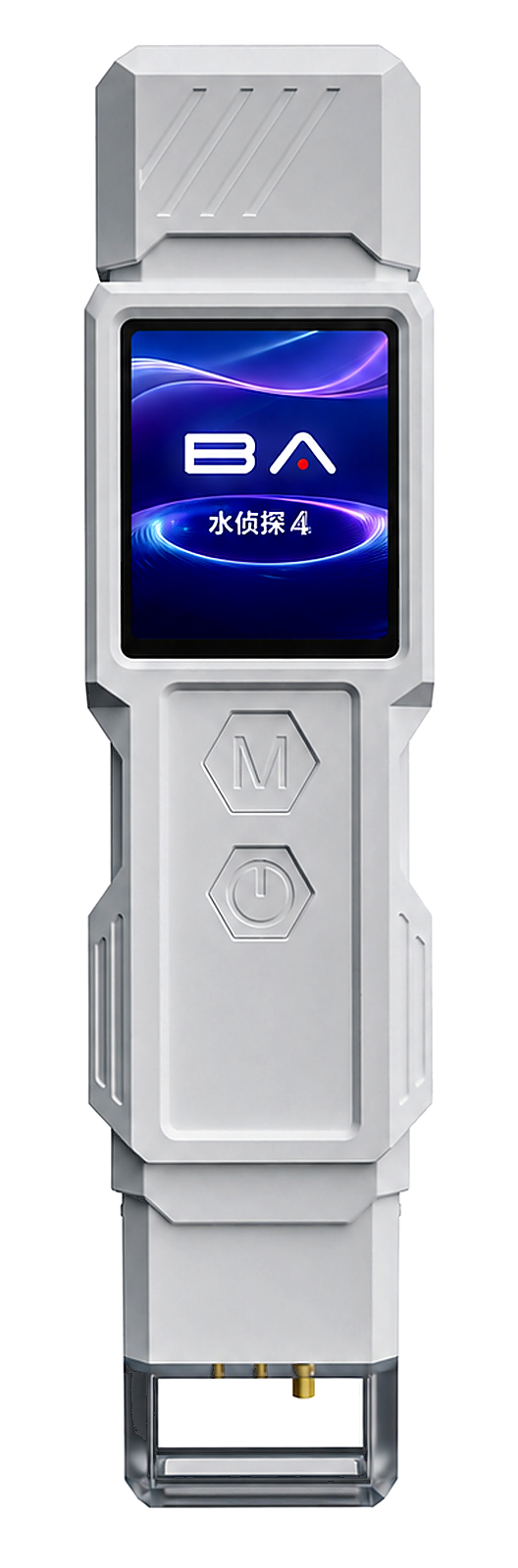
Note: the portable test pen in this article (Water Detective 4) measures nine parameters: TOC, COD, UV254, turbidity, TDS, electrical conductivity (EC), salinity, hardness and temperature. These parameters are used for rapid screening, comparing water quality changes and observing trends, and cannot be used to determine specific contaminants or pathogens such as lead, arsenic, nitrate, pesticides, bacteria, viruses, parasites, dissolved oxygen, ammonia nitrogen or nitrite/nitrate. Any final determination concerning pet health and safety requires combining local drinking water hygiene requirements and veterinary advice, and where necessary, laboratory methods.
2. Water samples, equipment, and scenario boundaries
This process applies to common household pet automatic water dispensers, including circulating dispensers with a water tank, pump, filter cotton/activated carbon filter or ceramic filter, serving cats, dogs and birds. The water source is usually tap water, bottled water, water purifier output or bottled water; it does not apply to rainwater, well water, surface water or any untreated water source. If the water source of the dispenser itself needs treatment, it should first be managed in accordance with local public health department requirements for drinking water.
The boundaries of applicable scenarios need to be stratified first by power outage duration and temperature:
| Power outage duration | Ambient temperature example | Recommended action intensity |
|---|---|---|
| Less than 2 hours | Normal room temperature | Observe water color, odor, and turbidity; change water if necessary |
| 2–12 hours | Below 25°C | Recommend changing water and cleaning the tank and pump |
| 2–12 hours | Above 25°C | Change water + clean + check filter element; use with caution |
| More than 12 hours | Any | Thoroughly clean and disinfect, replace the filter element; not recommended for direct use without treatment |
| More than 24 hours | Any | Strongly recommend discarding the water, cleaning and disinfecting, and replacing the filter; if the pet shows any discomfort, stop using it immediately and consult a veterinarian |
The time tiers above are operational recommendations only, not regulatory limits; specifics should be adjusted based on the dispenser structure, filter status and pet health conditions. Young, senior, immunosuppressed or avian pets are more sensitive to water quality changes, so shorter treatment and filter replacement intervals are recommended.
Instrument scope of application: Water Detective 4 is a personal/household portable water quality test pen, suitable for rapid on-site screening and before/after comparisons. It is not a water quality compliance testing device and does not have the selectivity and sensitivity of laboratory methods. TOC, COD and UV254 reflect organic load but cannot distinguish whether the organics come from pet saliva, food residue, dust, filter material leaching or microbial metabolism. Turbidity reflects suspended particles but does not equal microbial count. TDS, EC, salinity and hardness reflect the overall level of dissolved salts and can be used to assess trends of evaporative concentration or cleaning agent residue. Temperature affects chemical and biological processes and is also used for the instrument's temperature compensation.
3. Reproducible sampling and measurement procedure
The following steps assume the use of Water Detective 4 for rapid screening; if this instrument is not available, you can directly follow the sensory judgment and handling procedures in the "Action Checklist" and should not delay changing the water just because there is no test pen.
Preparation and recording
- Record on paper or in a phone memo: power outage start time, power restoration time, ambient temperature, water dispenser brand/model, filter type and days in use, water source type (tap water/bottled water/water purifier output, etc.), pet species and number.
- Prepare a clean lint-free cloth, disposable gloves, clean sampling cups (at least 2, recommended 250 mL or more), and deionized or purified water for rinsing the sensor.
- Check whether Water Detective 4 has sufficient battery power and whether the sensor window and electrodes are clean. Perform the pre-use check according to the product instructions; gently rinse the sensor area with deionized water, avoiding touching the optical window and electrodes with your fingers.
Fresh control water sample Take a fresh water sample from the same batch or same source as the water in the dispenser, for example newly drawn water from a water purifier, unused bottled water or tap water. Pour it into a clean sampling cup in the same way, rinse the sampling cup with the sample water 2–3 times, then resample to about two-thirds of the cup. Before measurement, let it stand until the sample temperature is close to room temperature, or record the temperature.
Water sample before shutdown recovery After power is restored, do not start the pump first, and do not let pets drink. With disposable gloves or a clean spoon, gently remove any floating hair or debris on the surface of the drinking tray, then slowly sample from the middle of the water tank with a clean syringe or pipette, avoiding drawing in the surface film or bottom sediment. If the dispenser has already started, you can first turn off the power and let it stand for 2 minutes before sampling.
Water sample after cleaning After completing all cleaning/disinfection/water replacement/filter replacement, flush the dispenser at least once with the same batch of water, then refill with water. After the pump circulates for 5 minutes, take a water sample from the drinking tray outlet, representing the water quality the pet is about to contact.
Instrument measurement Following the Water Detective 4 product instructions, immerse the sensor in the water sample, gently swirl to dislodge air bubbles, keep the sensor fully submerged and not touching the cup wall, and record the nine parameters once the reading stabilizes. At each sampling point, measure 2–3 times and take the stabilized median or average. Measure three water samples: fresh control, before shutdown recovery, and after cleaning; if conditions permit, rinse the sensor with deionized water in between.
Common failure modes and how to avoid them
- Bubbles adhering to the optical window or electrode surface: gently tap the cup wall before measurement to dislodge bubbles.
- Residue of the previous water sample or cleaning liquid on the sensor window: rinse with deionized water before measuring different water samples, and gently blot moisture with a lint-free cloth.
- Improper sampling position: sampling only the surface or the bottom may respectively overestimate floating film or sediment; sample from the middle.
- Temperature not stabilized: water just taken from the refrigerator or just heated should be left to reach room temperature, or at minimum record the temperature and compare under consistent conditions.
- Strong light interfering with optical measurement: avoid direct sunlight.
- Filter cartridge residue: insufficient rinsing after replacing the filter cartridge may cause elevated turbidity and TOC; rinse according to the filter cartridge instructions before measuring the post-cleaning water sample.
4. How to interpret results and common interferences
The core of interpretation is "comparison with the fresh control water sample," not looking at the readings alone. If the TOC, COD, UV254 or turbidity of the water sample before shutdown recovery is noticeably higher than that of the fresh control water sample, it indicates an increase in organic matter and particulate matter in the water, which may come from biofilm sloughing during stagnation, dust in the air, residue from pet use, or release from the filter cartridge. However, elevated readings do not equal the presence of pathogens, nor do they mean the water is already unsafe; it is only a signal that "treatment is needed."
If TDS, EC, salinity and hardness rise simultaneously, the most common cause is evaporation of water during a power outage leading to concentration of dissolved solids, especially when the environment is dry, the water tray is open, or the outage is long. In this case, the TDS ratio between the fresh control and the shutdown water sample can be used to roughly estimate the degree of concentration: for example, if TDS rises from 100 mg/L to 130 mg/L, it may be mainly due to evaporative concentration; if TDS is unchanged while TOC/turbidity rises noticeably, then more attention should be paid to increases in organic matter or particulate matter. This ratio is only used to help judge trends and cannot be used as a safety threshold.
Common interferences:
- Effect of temperature on conductivity/TDS readings: conductivity changes noticeably with temperature; although the Water Detective 4 has temperature compensation, deviations may still be introduced when the water sample temperature and the instrument's internal temperature are not equilibrated. Compare at similar temperatures whenever possible.
- Pet saliva, hair and food residue: even a small amount entering the water sample will cause local turbidity and TOC to rise; avoid stirring before measurement.
- Filter cartridge residue: an activated carbon cartridge that has not been soaked sufficiently, or release from ion exchange resin, may cause initial TDS fluctuation; rely on the stable reading after rinsing.
- Cleaning agent residue: chlorine- or salt-containing cleaning agents that are not rinsed off thoroughly will significantly raise TDS/EC; be sure to rinse thoroughly and measure the rinse water.
- Portable optical window contamination: fingerprints or scale deposits will interfere with UV254 and turbidity; clean regularly according to the instructions.
- Hardness too high or outside the reagent range: Water Detective 4 is a multi-parameter screening tool; under extreme water quality conditions readings may fall outside the linear range, so refer to the product instructions.
Key limitation statement: Water Detective 4 cannot measure lead, arsenic, nitrate, pesticides, bacteria, viruses, parasites, dissolved oxygen, ammonia nitrogen, nitrite or nitrate. If these risks are suspected, for example if a pet shows diarrhea, vomiting or lethargy, or if the water source is contaminated or foreign matter enters during a power outage, stop using the water dispenser immediately and seek testing by a local laboratory using the appropriate standard methods; do not substitute household instrument readings for laboratory testing.
5. When to retest, stop use, or refer to a laboratory
Retest timing After changing the water, cleaning the tank and pump, disinfecting if necessary and replacing the filter cartridge, it is recommended to flush the device with the same batch of water before refilling, then take a sample for retesting after the pump has circulated 5minutes. If the TOC, COD, UV254 and turbidity of the water sample after cleaning return to near those of a fresh control sample, and TDS/EC/salinity/hardness show little difference from the fresh control, this indicates a basic return to normal levels and use may resume. If values remain noticeably high, clean again, check whether the filter cartridge has failed or needs longer soaking, and replace it with the brand-specified cartridge if necessary.
Conditions for stopping use (independent of instrument readings) If any of the following occurs, stop using the water dispenser immediately; do not measure first and then decide:
- Power outage lasting more than 24hours, with an ambient temperature above 25°C (or high humidity);
- The water has an odor, abnormal color, turbidity, visible algae, biofilm, an oil film or heavy sediment;
- The pet has already shown diarrhea, vomiting, decreased appetite, lethargy or other symptoms that may be related to drinking water;
- During a power outage, dust, insects, chemicals or other unknown substances may have entered the water dispenser;
- If an odor or abnormal substance can still be detected after cleaning;
- For young, senior, immunosuppressed or avian pets, when a power outage exceeds 2 hours and water quality cannot be confirmed.
In these cases, instrument readings, whether high or low, cannot be used as a basis for continued use. Prioritize protecting pet health: thoroughly clean and disinfect and replace with fresh water, and seek medical attention promptly if discomfort occurs.
When to refer to laboratory testing Scenarios that require referral to laboratory testing include but are not limited to:
- When microbial risks such as bacteria/viruses/parasites need to be determined (e.g., total coliforms, Escherichia coli, Cryptosporidium, Giardia, etc.);
- When it is suspected that lead, arsenic, nitrate, pesticides or other chemical contaminants have entered the water dispenser or water source;
- When a pet is ill and the veterinarian recommends water quality testing;
- When the local health department issues a water source emergency notice or requires testing;
- When a manufacturer needs to carry out compliance verification of the equipment's hygiene performance under power-outage scenarios.
Laboratory testing should be carried out in accordance with local drinking water testing methods; commonly used microbiological and chemical indicators may vary by region. Please consult a qualified local laboratory, public health department or veterinary public health agency for sampling containers, preservation conditions and test item requirements. The screening results of Water Detective 4 can serve as an auxiliary reference before submitting samples, but cannot replace a laboratory report.
Notes for smart hardware integration teams If a pet water dispenser product has a built-in conductivity/TDS sensor, temperature sensor or water level monitoring, it can automatically perform a "power restoration self-check" after power is restored: read the current TDS/EC/temperature and compare with the last record before the power outage to determine whether concentration or an abnormality has occurred. However, such built-in sensors can likewise only provide trend alerts and cannot determine microbiological safety. Product design should avoid directly equating "normal TDS" with "safe water quality". It is recommended to use sensor data for filter life reminders, low water level/dry-boil warnings and abnormal concentration reminders, rather than as a substitute for users changing water and cleaning. In OEM/ODM solutions, if an optical/TDS detection module on the same platform as Water Detective 4 is integrated, the measurement range, temperature compensation, calibration cycle and installation location must be clearly defined to avoid interference from air bubbles, dead water zones and filter outlet water.
6. Record sheet and action checklist
The following record sheet can be printed and used, or a note can be created on a phone. Fill it in once after each power restoration to make trend comparison easier.
| Record item | Record content example |
|---|---|
| Power outage start/restoration time | 2025-06-10 14:10 to 16:45 |
| Ambient temperature/humidity | 28°C / 60% |
| Water dispenser model and filter usage days | XX brand water dispenser, filter used 12 days |
| Water Source Type | Tap water |
| Sampling location | Middle of water tank / drinking tray outlet |
| Fresh reference: TOC/COD/UV254/turbidity/TDS/EC/salinity/hardness/temperature | Record nine readings |
| Water sample before power restoration: nine readings | Record readings |
| Water sample after cleaning: nine readings | Record readings |
| Determine difference from control | For example: TDS increased by 15%, TOC increased by 80%, turbidity increased |
| Action taken | Replace water + clean tank + replace filter element |
| Retest results | Recovered to near control |
| Observe pet condition | Normal drinking / soft stool, etc. |
Post-power-outage action checklist
- Record the power outage time, ambient temperature and water source.
- Observe water color, odor, turbidity, bottom sediment, surface film and outlet condition.
- If odor, turbidity, algae, biofilm, foreign matter or pet discomfort occurs, directly discard the water, clean and disinfect, and replace the filter; do not perform instrument measurements.
- If there are no obvious abnormalities, you may optionally use Water Detective 4 to measure fresh control water, water before recovery and water after cleaning.
- If the nine readings of the pre-recovery water sample deviate significantly from the fresh control, completely change the water, clean the tank and pump, and if necessary disinfect and replace the filter.
- Retest with water from the same batch; if the readings do not recover, clean again or replace the filter.
- After resuming use, observe the pet's drinking behavior and excretory condition within 24 hours.
- Keep records to track filter life and identify future abnormalities.
FAQ (Frequently Asked Questions)
Q1: Can Water Detective 4 detect bacteria or viruses? A: No. It measures TOC, COD, UV254, turbidity, TDS, conductivity, salinity, hardness and temperature, and is only used for rapid screening and trend comparison. Microbial risks such as bacteria, viruses and parasites require confirmation by appropriate laboratory methods and cannot be judged by a portable test pen.
Q2: How long after a power outage must the water be changed? A: There is no unified legal time limit; it depends on the duration of the power outage, ambient temperature, equipment structure and pet health status. As an operating guideline, after any power outage exceeding 2 hours, it is recommended to at least completely change the water and clean; exceeding 12 hours, especially in hot weather, it is recommended to disinfect and replace the filter; exceeding 24 hours, it is recommended to discard the old water and thoroughly disinfect. Birds and sensitive individuals should be treated more conservatively.
Q3: Does a rise in TDS mean the water is very dirty? A: Not necessarily. A rise in TDS may simply be concentration caused by water evaporation, or it may come from filter release or cleaning agent residue. It needs to be compared with a fresh control water sample and combined with parameters such as TOC/turbidity. TDS cannot directly reflect microorganisms or specific harmful substances.
Q4: Can the built-in TDS sensor replace this verification process? A: No. The built-in TDS/EC sensor can only be used for trend alerts and filter management. After power is restored, if the sensor readings are abnormal, it can prompt the user to change the water and clean, but it cannot prove that the water is safe. Users should still follow sensory judgment and the cleaning process.
Q5: Are birds more sensitive to stagnant water after a power outage? A: Yes. Birds generally have low body weight and fast metabolism, and may be more sensitive to water quality changes and pathogens. It is recommended that bird water dispensers be refilled and cleaned immediately after a power outage, and that routine cleaning and filter replacement intervals be shortened. Consult an avian veterinarian for specific advice.
References
- World Health Organization. Guidelines for drinking-water quality: fourth edition incorporating the first addendum. Geneva: WHO; 2017. https://www.who.int/publications/i/item/9789241549950.
- U.S. Geological Survey. Water Science School: Electrical Conductivity and Water Quality. https://www.usgs.gov/special-topics/water-science-school/science/electrical-conductivity-and-water-quality.
- U.S. Centers for Disease Control and Prevention. Water-related Emergencies and Outbreaks: Make Water Safe. https://www.cdc.gov/healthywater/emergency/making-water-safe.html.
- For specific recommendations on handling pet water dispenser power outages and for microbiological/chemical limits, consult your local public health department, veterinary institution, or a qualified laboratory. Regulations, water source conditions, and pet health requirements vary by country and region. The process in this article is general guidance and does not constitute proof of regulatory compliance or health safety.