
1. Applicable users and decision questions
This checklist is primarily intended for RV, camper van and converted van road-trip users, as well as OEM/ODM engineers and product managers who provide water supply, water purification and rapid-testing accessories for these scenarios. Typical decision questions include:
- After collecting water from a campsite, gas station, mountain spring or public tap, can it be added directly to the fresh water tank?
- If water has been stored in the fresh water tank for 2 or 7 days, can it still be used for drinking, cooking or washing?
- Hoses and fittings are exposed outdoors for long periods — do they need to be replaced or disinfected?
- How can portable instruments be used to determine whether there is a hygiene risk in the tank, hose or fittings without a laboratory?
- What exactly can the TDS, turbidity, TOC/COD/UV254 and other values obtained from on-site screening tell you, and what can they not tell you?
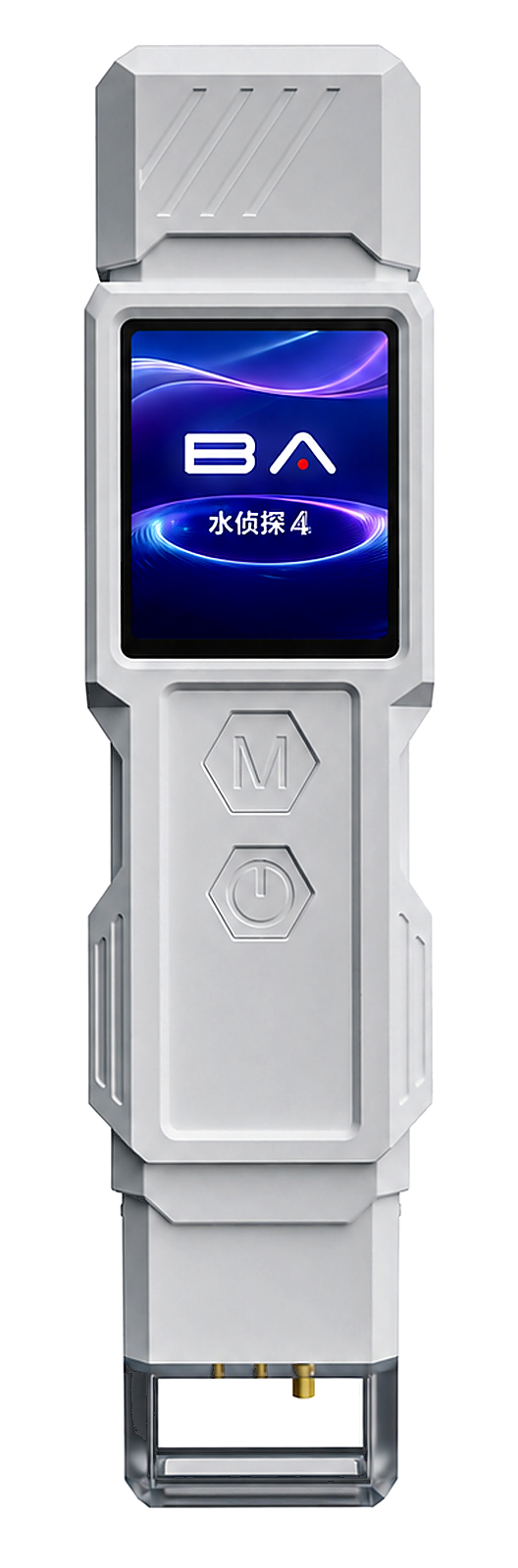
In these scenarios, a portable multi-parameter water-quality test pen (such as the AtomBit Water Detective 4) serves the function of rapid screening, trend observation and comparison of the hygiene status of components, rather than laboratory confirmation. It can provide nine types of indicators — TOC, COD, UV254, turbidity, TDS, conductivity, salinity, hardness and temperature — helping users identify whether the water quality changes significantly during collection, storage and transport, but it cannot directly measure specific contaminants such as lead, arsenic, nitrate, pesticides, bacteria, viruses or parasites.
Therefore, the decision logic of this checklist is: first establish a baseline for the vehicle's fresh water system, then continuously compare using the same instrument and the same method; when an anomaly is found, retest first, then decide whether to continue using, clean and disinfect, or send a sample to a laboratory based on the risk level.
2. Water samples, equipment, and scenario boundaries
2.1 Key sampling points
Hygiene management of fresh water tanks, hoses and fittings involves water samples from at least three different locations:
| Sampling point | Issue reflected | Typical interference |
|---|---|---|
| Water source (tap, spring, well water) | Baseline water quality of the external source water | The water source itself may contain sediment, natural organic matter and differences in hardness |
| Fresh water tank outlet / water inside the tank | Internal storage in the tank, biofilm on the inner walls, sediment | Mixing of old and fresh water in the tank, temperature stratification |
| Water outlet at the tap end / hose end | Secondary contamination of hoses, fittings and tap outlets | Hose soaking, stagnant water in fittings, contamination of the outlet |
For actual measurement, it is recommended to collect at least both the water source water and the water at the faucet outlet at the same time, and, if conditions permit, to add a water sample from the tank outlet. This allows a before-and-after comparison to determine whether the problem mainly comes from the water source, the tank or the delivery lines.
2.2 Applicable scenarios and boundaries
This solution is suitable for the intermittent water use scenarios common in RV road trips: limited tank capacity, water may be stored for several days; hoses and connectors are frequently detached and exposed outdoors; and the water-filling source is not fixed.
In the following situations, it is not recommended to make decisions based on portable screening alone:
- The water source is unknown surface water or shallow well water, and agricultural runoff, industrial discharge or septic tank leakage may exist locally;
- The tank or lines have previously had fecal contamination, animal intrusion, obvious odors or oil films;
- The water is to be drunk directly by immunocompromised people or infants and young children;
- Commercial food service, livestock watering or other regulatory compliance requirements must be met.
In these situations, samples must be sent to a qualified laboratory for microbiological and chemical testing in accordance with the requirements of the local drinking water regulator or public health authority.
2.3 Instrument capability boundaries
Water Detective 4 integrates a conductivity/TDS probe and a multispectral optical sensor, and supports rapid on-site measurement. Among its nine indicators:
- TDS, conductivity, salinity, hardness: reflect the overall level of dissolved inorganic salts in the water, but cannot distinguish specific ion types.
- Turbidity: reflects the degree to which suspended particulate matter in the water scatters light, but cannot identify the source of the particulate matter.
- TOC, COD, UV254: reflect the total amount of organic matter in the water or the absorption characteristics at specific wavelengths, and are organic pollution screening indicators. Elevated values of these three indicators may indicate an increase in organic matter, but cannot distinguish whether it is humus, detergent, biofilm shedding or pathogens.
- Temperature: affects the growth rate of microorganisms and the sensor response, and is also an important parameter for judging storage conditions.
These indicators are suitable for comparing the change trends of "the same vehicle, the same batch of water, at different times", and are not suitable for direct equivalent judgments against regulatory limits.
3. Reproducible sampling and measurement procedure
3.1 Preparation before sampling
- Prepare 2–3 clean sampling containers, preferably food-grade plastic bottles or glass bottles with lids.
- Rinse the containers and lids 2–3 times with the water sample to be tested to avoid the influence of residues.
- If using Water Detective 4, first confirm that the sensor window is clean and free of scratches, and rinse it clean with pure water or distilled water after the previous measurement.
- During sampling, avoid touching the inside of the bottle mouth and the sensor detection area with your fingers.
3.2 Sampling order
It is recommended to take samples in the following order to determine where the problem occurs:
Step 1: Source water. Collect directly at the water source outlet, minimizing the influence of the hose as much as possible. If the water source is a campsite faucet, let the water run for 30 seconds before sampling.
Step 2: Water in the tank. If the tank has a dedicated drain, take a sample from the drain; otherwise, first open the vehicle's faucet and let the water run for 10–20 seconds, then take a mid-stream sample as a representative sample of the tank outlet water.
Step 3: Water at the faucet outlet. Do not flush; directly collect the first segment of water flowing from the faucet, to reflect possible secondary contamination from the hose and fittings during stagnant periods.
For each sampling, a volume of no less than 100 mL is recommended to ensure the sensor can be fully immersed.
3.3 On-site measurement procedure
Using the Water Detective 4 as an example:
- Pour the water sample into a dedicated measuring cup or directly immerse the sensor in the water sample, ensuring no air bubbles adhere to the sensor window.
- Gently swirl or stir to make the water sample uniform.
- Wait for the reading to stabilize, then record it. The Water Detective 4 has built-in temperature compensation, and the conductivity/TDS readings are automatically corrected to the reference temperature, but the water temperature should still be recorded separately.
- Repeat the measurement 2–3 times at each sampling point, and take the median or average as the screening result for that point.
- After measurement, rinse the sensor with purified water, then gently blot dry with absorbent paper to avoid cross-contamination.
3.4 Quality control and precautions
- Avoid air bubbles: Air bubbles adhering to the optical window or conductivity electrodes can cause abnormal turbidity, TOC/UV254, or conductivity readings.
- Temperature stability: If the water sample has just been taken out of a refrigerator or a high-temperature water tank, it is recommended to let it stand until close to room temperature before measuring, or at least wait until the temperature reading stabilizes.
- Container cleanliness: Using containers with detergent residue may significantly increase TOC and COD; using metal containers may affect conductivity.
- Sensor condition: After long periods of non-use, it is recommended to first soak the sensor in purified water and calibrate it (if applicable) before measuring.
- Record the environment: Record information such as sampling time, weather, water source type, and the last cleaning date of the water tank, to facilitate subsequent trend analysis.
4. Interpretation of results and common interferences
4.1 Establishing a baseline for this vehicle
The first step of all on-site screening is to establish a "baseline for this vehicle's fresh water system." It is recommended that after each thorough cleaning of the water tank or replacement of hoses or fittings, measure once using the same water source and the same procedure, and record the nine parameters. Thereafter, before each water refill or use, measure at the same location and compare with the baseline.
The baseline is not an absolute safe value, but rather "the typical readings of a clean, well-maintained system under the conditions of that water source." If subsequent readings deviate significantly from the baseline, this indicates that further inspection is needed.
4.2 Meaning of indicators and change trends
| Indicator | Elevated levels may indicate | Low or decreasing levels may indicate | Common interferences |
|---|---|---|---|
| TDS / Conductivity | Mineral concentration, ingress of external salts, evaporative concentration in the tank | Change of water source, filtration or dilution | Temperature uncompensated, electrode contamination |
| Turbidity | Particulates, sediment, biofilm detachment, pipeline corrosion products | Improved filtration, settling by standing | Air bubbles, unclean container |
| TOC | Increase in dissolved organic matter, possibly from biofilm, detergents, decaying plants | Activated carbon adsorption, oxidative decomposition | Container residue, hand contact |
| COD | Increase in total oxidizable organic matter | Similar to TOC | Chloride interference, sampling contamination |
| UV254 | Increase in aromatic or unsaturated organic compounds | Similar to TOC | Turbidity too high, interfering with optical measurement |
| Hardness | High calcium and magnesium content in the water source, or dissolution of tank scale | Use of soft water, ion exchange | Temperature compensation not applicable |
| Salinity | High total dissolved salts, to be observed together with TDS | Dilution | Sensor error |
| Temperature | High ambient temperature, heating or exposure to sunlight | Low ambient temperature | Temperature not stabilized before measurement |
4.3 Key interpretation principles
- Look at trends, not single-point absolute values. For example, if the tank water TOC rises from 1.5 mg/L to 2.8 mg/L and turbidity rises at the same time, it may indicate that biofilm has begun to detach; but if it stays at 2.8 mg/L with no other changes, it may simply be a characteristic of the water source itself.
- High TDS does not mean toxic. High TDS may simply be a normal feature of natural mineral water. TDS alone cannot be used to judge whether water is drinkable.
- Low turbidity does not mean sterile. Clear water may also contain microorganisms; turbidity is only a particulate indicator, not a microbiological indicator.
- Rises in TOC/COD/UV254 cannot distinguish pathogens. They reflect only the total amount of organic matter and cannot detect bacteria, viruses or parasites.
- Sensory abnormalities take priority over instrument readings. If the water has an odor, color, oil film or visible particles, stop drinking it and treat it regardless of instrument readings.
4.4 Common failure modes
- Sensor not rinsed sufficiently: measuring a low-salinity sample directly after a high-salinity sample causes falsely high TDS.
- Residue in the measuring cup: a film of detergent or cleaning agent causes abnormally high TOC/COD.
- Insufficient temperature compensation: although the electrode compensates automatically, if the sample differs too much from room temperature, insufficient stabilization time will affect the results.
- Inconsistent sampling location: sometimes mid-stream water after running the tap is taken, sometimes standing water, making the data incomparable.
- Expired or contaminated tubing releases plasticizers: this may significantly raise TOC and UV254, easily leading to a misjudgment of tank contamination.
5. When to retest, stop use, or refer to a laboratory
5.1 Retest trigger conditions
If any of the following occurs, it is recommended to resample and retest within 2 hours:
- Any indicator changes by more than 30% from baseline (or is clearly abnormal) and cannot be explained by seasonal or water-source changes;
- Turbidity, TOC, COD and UV254 all show an upward trend at the same time;
- The tank or piping has just been repaired, cleaned, or used for the first time after a long period of disuse;
- The water shows a slight odor, discoloration or change in taste.
When retesting, rinse the container again, change the order of sampling points, and confirm the sensor is clean. If the retest results return to near baseline, continue monitoring; if the abnormality persists, proceed to the next level of handling.
5.2 Conditions for stopping use
If any of the following occurs at any time, immediately stop using the water for drinking, cooking and brushing teeth; it may be used only for flushing toilets or disposal:
- The water has an obvious fecal odor, rotten odor, or gasoline or chemical odor;
- The water is yellow, green, brown, or turbid and opaque;
- Animal or insect carcasses or obvious detached biofilm are found in the tank;
- After using this water, multiple people experienced gastrointestinal symptoms such as diarrhea and vomiting;
- TOC, COD, UV254 and turbidity measured by the portable instrument simultaneously increased significantly, and remained high on retest.
After stopping use, the clean water tank, hoses, connectors and faucets must be thoroughly cleaned and disinfected, then refilled with water and the baseline retested.
When to refer 5.3 to a laboratory for confirmation
For the following risks or needs, a water sample must be collected and sent to a qualified laboratory for testing; conclusions must not be based on readings from Water Detective 4:
- Suspected contamination by bacteria, viruses or parasites (such as E. coli, Legionella, Cryptosporidium, Giardia);
- Suspected heavy metal contamination (such as lead, arsenic, mercury, cadmium);
- Suspected specific chemical parameters such as nitrate, nitrite, pesticides, volatile organic compounds, dissolved oxygen or ammonia nitrogen;
- A compliance certificate is required, or the water is for commercial, medical or aquaculture purposes;
- Potential contamination sources such as agriculture, industry or septic tanks exist near the water source, and the user cannot rule out the risk.
Laboratory testing methods, limits and sampling container requirements vary by region; consult the local drinking water authority or public health agency. Generally, at least the following are needed: a sterile bottle for microbiological samples, an acid-washed bottle for heavy metal samples, and an amber bottle for organic compound samples, all delivered for testing within the specified time.
5.4 recommended action levels
| Level | Determination | Action |
|---|---|---|
| Green light | All indicators near baseline, sensory characteristics normal | Normal use, scheduled periodic maintenance |
| Yellow light | Individual indicators deviate from baseline but recover on retest, or slight sensory changes | Increase flushing frequency, observe short-term, prepare for cleaning |
| Red light | Multiple indicators abnormal simultaneously, still high on retest, obvious sensory abnormalities | Stop drinking, thoroughly disinfect, re-establish baseline; send to laboratory if necessary |
6. Record sheet and action checklist
6.1 Field Screening Record Sheet Template
It is recommended to fill this in before each water addition or trip; a paper form or phone memo can be used.
| Item | Record Content |
|---|---|
| Date/Time | 2025-XX-XX 08:30 |
| Water Source Type | Campsite tap water / Mountain spring / Well water / Other |
| Sampling Point | Water source / Water tank outlet / Faucet end |
| Storage Days | 0 / 1 / 3 / 7 / 14 |
| Temperature (°C) | 22.5 |
| TDS (ppm) | 120 |
| Conductivity (µS/cm) | 240 |
| Salinity (‰) | 0.1 |
| Hardness (mg/L) | 80 |
| Turbidity (NTU) | 0.5 |
| TOC (mg/L) | 1.8 |
| COD (mg/L) | 2.0 |
| UV254 (cm⁻¹) | 0.03 |
| Appearance/Odor | Clear, no odor |
| Action | Normal use / Retest / Clean and disinfect / Send for testing |
Note: The values in the table are examples only and do not constitute any safety limits. Specific readings must be compared with the baseline for this vehicle.
6.2 Fresh water tank, hose and fitting maintenance action list
Daily/before each use:
- Turn on the tap and let the water run for 10~20 seconds to flush out the stagnant water in the hose and connectors.
- Observe the appearance and odor of the water, and use Water Detective 4 for a quick screening.
- After using the hose, drain the remaining water, hang it up to dry, and avoid letting the connectors touch the ground.
Weekly or after every two refills:
- Soak the hose and connectors in a food-grade disinfectant (such as diluted hydrogen peroxide or a dedicated water tank disinfectant) for 15~30 minutes, then rinse thoroughly with clean water.
- Check the hose for cracks, discoloration, and mold spots, and check whether the connector gaskets have aged.
Monthly or quarterly:
- Thoroughly clean and disinfect the clean water tank: empty the tank, circulate and soak with a food-grade disinfectant, then rinse repeatedly with clean water until no residue remains.
- After refilling with fresh water, measure and update the baseline.
After long-term storage:
- Before first use, the above cleaning and disinfection process must be repeated, and a water quality screening must be performed.
For the use concentration, soaking time, and rinsing requirements of all disinfectants, please refer to local drinking water treatment guidelines or the disinfectant manufacturer's instructions, and ensure that no chemical residue remains after rinsing.
7 Frequently Asked Questions (FAQ)
Q1: Can the Water Detective 4 detect bacteria, viruses or parasites? A: No. It can only provide organic and particulate screening indicators such as TOC, COD, UV254 and turbidity; it cannot identify any microorganisms. If pathogen contamination is suspected, samples must be sent to a laboratory for microbiological culture or molecular testing.
Q2: Does a high TDS value mean the water is unsafe? A: No. High TDS may simply mean the water contains more natural minerals; for example, some mineral waters can have TDS of several hundred ppm and still meet drinking water standards. TDS is only meaningful for screening when compared with this vehicle's baseline and considered together with other indicators.
Q3: How often is it appropriate to clean the fresh water tank? A: There is no globally unified standard. It is generally recommended to thoroughly clean and disinfect at least once every 3 months; if the system is used frequently, the weather is hot, or screening shows continuously rising turbidity/TOC, the interval should be shortened. Please refer to the RV water tank manufacturer's recommendations and local health guidelines for specifics.
Q4: Can hoses and fittings be disinfected with household bleach? A: Yes, but a sodium hypochlorite solution permitted for food-grade or drinking water treatment must be used, with strictly controlled concentration and soaking time, followed by thorough rinsing with plenty of clean water. Scented or thickened household cleaners are not recommended, to avoid residual contamination of water quality. Specific concentrations must follow local regulatory guidance.
Q5: If the on-site screening values are very low, does that mean it is absolutely safe? A: No. A portable instrument can only show that the sampling point this time has no obvious abnormality in the nine screening indicators; it cannot rule out all chemical and microbiological risks. Especially for water from unknown sources, regular laboratory verification is still recommended.
Q6: What is the main use of AtomBit's Water Detective 4 in RV scenarios? A: It is suitable as a "health trend recorder" for an RV water supply system. Users can establish this vehicle's baseline and quickly measure before each refill and use, discovering issues such as hose aging leaching, water tank biofilm detachment, and incomplete cleaning through comparison. It gives maintenance decisions data to follow, but cannot replace laboratory testing required by regulations.
References
- World Health Organization. Guidelines for drinking-water quality, 4th edition, incorporating the first and second addenda. Geneva: WHO; 2022. Link: https://www.who.int/publications/i/item/9789240045064 (for basic principles of drinking water safety; specific limits must follow local regulations)
- United States Environmental Protection Agency. National Primary Drinking Water Regulations. Link: https://www.epa.gov/ground-water-and-drinking-water/national-primary-drinking-water-regulations (for classification of indicators requiring laboratory testing, such as microorganisms and heavy metals)
- United States Geological Survey. Total Dissolved Solids and Water. Water Science School. Link: https://www.usgs.gov/special-topics/water-science-school/science/total-dissolved-solids-and-water (for explaining the geological sources and natural variation of TDS)
- Centers for Disease Control and Prevention. Water Disinfection. Healthy Water. Link: https://www.cdc.gov/healthywater/drinking/travel/backcountry_water_treatment.html (for general principles of outdoor/travel water treatment; does not constitute a specific formula)
Regional Applicability Statement: The operating steps and indicator interpretations in this list are based on general physical and chemical principles and do not replace the drinking water regulations of any country or region. RV users must comply with local water intake, drainage and hygiene management regulations; when conclusions involve drinking water safety, the test results of local authorities or accredited laboratories shall prevail.