
1. Applicable users and decision questions
During hiking, trail running, camping, or field work, it is sometimes necessary to temporarily collect water from streams, mountain springs, glacier meltwater, or rainwater collection points. The decision question is not "can this water be drunk directly," but rather: "With limited resources and limited time, which water source should I prioritize? For the selected water source, how much treatment is needed to reduce risk to an acceptable level?"
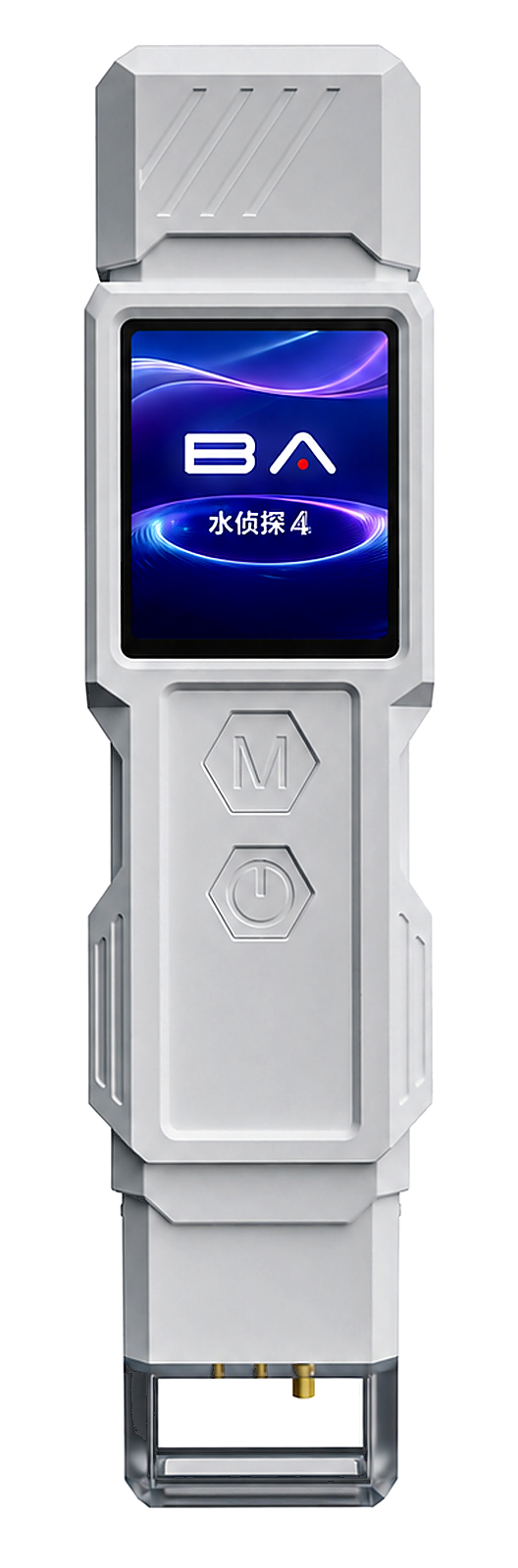
The AtomBit Water Detective 4 (hereinafter referred to as WD4) is a personal/household portable multi-parameter water quality test pen with built-in rapid testing capability for nine items: TOC, COD, UV254, TDS, EC, turbidity, hardness, salinity, and temperature. It is intended for domestic water, on-site screening, and water purification service scenarios, and is suitable for hikers to quickly obtain a set of comparable chemical/physical indicators in the field. Its positioning is "screening," not "compliance testing": it cannot tell you whether the water contains lead, arsenic, nitrate, pesticides, bacteria, viruses, or parasites. Therefore, this article treats WD4 as a risk stratification tool, not as a water quality pass/fail determination tool.
Intended users: hikers, team leaders, and field first-aid personnel who need to collect water from natural sources; also suitable for outdoor leaders developing water source management procedures. Applicable scenarios: relatively clean surface freshwater, such as alpine streams, spring outlets, glacier meltwater confluences, and rainwater collection; not applicable to seawater, heavily polluted water bodies, or obvious industrial wastewater.
2. Water sample/device/scenario boundaries
The nine indicators of WD4 can be divided into three categories:
- Inorganic salts: TDS, EC, salinity, and hardness, related to the total amount of dissolved ions;
- Organic matter: TOC, COD, and UV254, related to natural organic matter and some anthropogenic organic pollution;
- Physical state: turbidity and temperature, which affect disinfection effectiveness, taste, and the measurement of other indicators.
However, these indicators are "aggregate" or "surrogate" parameters, not identification of specific contaminants. For example, high TOC may come from humic acids (usually harmless) or from organic pollutants in agricultural runoff; UV254 mainly responds to organic matter containing aromatic ring structures, such as lignin, humic substances, and some industrial chemicals; COD represents the total amount of substances that can be chemically oxidized. WD4 cannot distinguish these sources and can only indicate "elevated organic load."
Boundary conditions:
- The device is not suitable for microbiological testing. Bacteria, viruses, and parasites must be controlled through treatment methods such as boiling, filtration, and chemical disinfection, and when necessary, samples should be sent to a qualified laboratory.
- The device is not suitable for quantitative measurement of specific parameters such as heavy metals, pesticides, nitrate/nitrite, ammonia nitrogen, or dissolved oxygen. If these risks are suspected, water samples must be collected and sent to a laboratory in accordance with local requirements.
- Temperature affects conductivity and optical readings. WD4 reports temperature, but users should still avoid measuring at extreme temperatures and wait for the reading to stabilize.
- High-turbidity water samples interfere with optical parameters. If the water sample is noticeably turbid, allow it to settle or filter it before measuring turbidity, and note that other optical parameters may be affected by particle scattering.
3. Reproducible sampling and measurement procedure
3.1 Sampling point selection
- Prefer flowing water; avoid stagnant ponds, areas downstream of livestock watering points, human camp sewage outlets, and areas near animal carcasses or feces.
- Observe whether there are obvious pollution sources within 50–100 meters upstream: mining areas, farmland, road runoff, garbage piles.
- If the same stream has multiple water collection points, collect water upstream where possible and record the location.
3.2 Sample collection
- Use a clean, residue-free container. If conditions permit, rinse the container 3 times with the water sample to be tested.
- During sampling, do not touch the inside of the water sample with your hands, to avoid contamination from skin oils, sunscreen, etc.
- Record: GPS coordinates, time, air temperature, water temperature, weather, upstream activities, and whether there is an oil film/foam/odor on the water surface.
3.3 Measurement steps
- Self-check before power-on: ensure the WD4 sensor window is clean, free of scratches and free of residue.
- Rinse the measurement cell: rinse with the water sample to be tested 3 times to avoid residue from the previous sample.
- Inject the water sample: slowly inject up to the mark, avoiding bubbles; if bubbles appear, gently tap the measurement cell or remove them with a clean dropper.
- Wait for stabilization: allow the sample temperature to equilibrate with the sensor and wait for the reading to stabilize. Different samples may take from a few seconds to several tens of seconds.
- Record the reading: record the nine parameters; it is recommended to repeat the measurement 2–3 times and take the median or average to reduce random fluctuation.
- Blank control: if conditions permit, measure a blank once with distilled water or bottled purified water to confirm the device has no residual contamination.
3.4 key points for multi-parameter measurement
- Temperature: measure the water temperature and record the ambient temperature at the same time. Temperature affects the conversion of conductivity and salinity.
- Turbidity: suspended matter in the water sample scatters light. High turbidity suggests that pathogens may hide in particles, so filtration should be strengthened.
- TDS/EC/salinity/hardness: these indicators relate to the total amount of dissolved salts. A sudden increase may indicate road salt, abnormal mineral input or evaporative concentration.
- UV254/TOC/COD: organic load indicators. If clearly higher than the background of clean mountain springs in the same area, be alert to upstream organic contamination.
4. How to interpret results and common interferences
4.1 interpretation principles
- 单次读数本身没有绝对安全阈值。关键是与背景值、上游清洁对照点或已知安全水进行对比。
- 趋势比单点更重要。同一水源在不同时间(降雨前后、融雪季节)复测,观察指标是否稳定。
- 所有读数都必须结合现场观察:颜色、气味、油膜、泡沫、死鱼、藻类、周边土地利用。
4.2 风险分层表
| 风险等级 | 典型指标表现 | 建议行动 |
|---|---|---|
| Low | 各指标接近当地清洁山泉背景;浊度低;TOC/UV254 无明显升高;TDS/EC 与上游对照一致 | 仍需常规处理:过滤 + 煮沸或化学消毒,不可直接饮用 |
| 中 | 任一指标明显高于背景,如浊度升高、TOC/COD/UV254 升高、TDS/EC 异常高或盐度升高 | 加强处理:预过滤或静置后,煮沸至少 1 分钟(高海拔延长),最好结合化学消毒 |
| 高 | Multiple indicators abnormal at the same time; or the water sample has obvious odor, oil film, foam, or dead fish; or there is industrial/agricultural activity upstream | Not recommended as a water source unless it is an emergency and can be reliably treated; prioritize finding an alternative water source |
Note: "low/medium/high" in the table is a risk stratification and does not equal a safe/unsafe determination. WD4 cannot detect pathogens, heavy metals, pesticides, etc., so even if all indicators show "low", water treatment must still be performed.
4.3 Common interferences and failure modes
- Bubble interference: bubbles in the optical measurement channel can cause abnormally high turbidity, UV254, and TOC/COD readings. Gently tap to remove bubbles and measure again.
- Temperature drift: rapid temperature changes can affect conductivity and optical sensors. Wait for the water sample temperature to stabilize, or use the device's automatic temperature compensation (if available).
- High color interference: natural humic substances can raise UV254 and may overestimate TOC. In this case, judge in combination with COD and turbidity.
- High turbidity interference: particle scattering may affect optical measurements. Before measurement, let the sample stand or filter it, and record the "raw water turbidity" and "filtered turbidity".
- Sample residue: if the test cell is not thoroughly rinsed, a previous high-salinity or high-organic water sample will contaminate the current result. Be sure to rinse 3 times.
- Sensor contamination: grease, fingerprints, sunscreen, etc. can contaminate the optical window. Wipe with a clean soft cloth before use and avoid scratching.
- Battery performance decreases at low temperatures: low temperatures at high altitude may cause unstable readings or slower response. You can keep the device in a pocket close to your body for warmth and operate quickly during measurement.
5. When to retest, stop use, or refer to a laboratory
5.1 Retest conditions
- When readings are close to background but there is sudden rainfall, snowmelt, or animal activity upstream, retest after a few hours.
- When any indicator rises abnormally, resample at the same sampling point and re-test, and use a blank sample to confirm that the equipment is not contaminated.
- Treated water (for example, after filtration or boiling and cooling) can be measured again for turbidity, TOC, etc., to judge the treatment effect, but this is only trend observation and cannot replace microbiological verification.
5.2 Conditions for stopping use
- The water sample has an obvious oil film, foam, irritating odor, abnormal color, or large numbers of dead fish.
- There are mines, chemical plants, landfills, large-area farmland (especially orchards and vegetable plots), or construction sites upstream.
- Repeated re-tests still show high turbidity, high organic matter, and high conductivity, and reliable treatment means are lacking.
- There are cluster gastrointestinal symptoms or incidents of animal drinking-water poisoning.
5.3 transfer to laboratory conditions
When it is necessary to know whether the following contaminants exceed standards, water samples must be collected according to local requirements and sent to a qualified laboratory:
- Heavy metals: lead, arsenic, mercury, cadmium, chromium, etc.;
- Pesticides and metabolites;
- Nitrate/nitrite;
- Bacteria, viruses, parasites (such as Giardia and Cryptosporidium);
- Ecological indicators such as dissolved oxygen and ammonia nitrogen;
- any regulatory limit determination.
Readings from WD4 cannot serve as evidence for the above parameters. For example, elevated TOC does not indicate the presence of pesticides; elevated TDS does not indicate the presence of lead or arsenic. Laboratory reports are the basis for determination.
6. Record sheet/action checklist
6.1 Field Record Sheet Template
It is recommended to fill in one row per sampling point:
| Date and Time | GPS/Location | Water Source Type | Weather | Water Temperature (°C) | Turbidity | TDS/EC | TOC/COD/UV254 | Salinity | Hardness | Field Observation | Risk Stratification | Treatment Measures | | --- | --- | --- | --- | --- | --- | --- | --- | --- | --- | --- | --- | --- | | Example | Upstream of stream | Flowing water | Sunny | 8 | Low | 45 ppm / 90 µS/cm | Low | Low | Soft | Clear and odorless | Low | Filter + boil |
Note: Specific numerical units are subject to the display on the WD4 screen; when recording, do not write only "normal/abnormal" but write the specific readings and the comparison context.
6.2 Action Checklist
- [ ] Observe 50–100 meters upstream to rule out obvious pollution sources.
- [ ] Choose flowing water, avoiding stagnant water and animal activity areas.
- [ ] Rinse the sampling container and the WD4 test cell 3 times with the water to be tested.
- [ ] Measure the water temperature and wait for it to stabilize, removing air bubbles.
- [ ] Repeat the measurement 2–3 times and record the median.
- [ ] Compare with background or control water to determine risk stratification.
- [ ] Select a treatment method based on risk stratification (filtration, boiling, chemical disinfection).
- [ ] After treatment, measure parameters such as turbidity again to observe improvement.
- [ ] If a specific contaminant is suspected, retain the original water sample and contact a laboratory.
- [ ] Calibrate/clean the device before each trip and consult the instructions.
7. Engineering perspective: how portable test pens aid outdoor decision-making
WD4 integrates multispectral organic indicators (TOC, COD, UV254) with electrochemical inorganic indicators (TDS, EC, salinity, hardness) and physical indicators (turbidity, temperature) in a single pen-style form factor. This integration approach is similar to the sensor logic AtomBit uses in smart water bottles and water purifier filter monitoring: both use multiple nonspecific parameters to provide changes in a "water quality fingerprint," thereby triggering decisions such as maintenance, filter replacement, or abandoning a water source. In outdoor scenarios, its value lies in being fast, on-site, and repeatable, rather than in laboratory accuracy.
For outdoor users, the reasonable role of WD4 is to:
- help quickly compare multiple candidate water sources;
- help monitor trends at the same water source over time;
- help evaluate changes in turbidity and organic matter before and after physical filtration (such as a water filter);
- record data for later comparison with laboratory results or for tracking changes in a water source.
But it cannot replace:
- microbiological safety treatment (boiling, UV, chemical disinfection, filtration below 0.1 micrometers);
- sensory judgment and upstream environmental assessment;
- laboratory testing for specific contaminants.
8. Frequently Asked Questions (FAQ)
Q1: Can Water Detective 4 detect bacteria? A: No. TOC, COD and UV254 are total organic indicators and cannot distinguish bacteria, viruses, protozoa and natural humic substances. Microbiological safety must be ensured through boiling, filtration, chemical disinfection and other methods, and cannot be judged from readings alone.
Q2: Does low TDS mean the water is safe? A: No. Low TDS only means fewer dissolved salts and may indicate fewer minerals, but the water may contain bacteria, viruses, pesticides, heavy metals and other substances that WD4 cannot measure. High TDS is not necessarily harmful, but it indicates abnormal ionic strength and should be judged together with on-site conditions.
Q3: What should I do if turbidity is very high? A: High turbidity indicates a large amount of suspended particles, which may harbor pathogens and affect disinfection effectiveness. Let the water settle, filter it with cloth or a water filter, then measure again; treated water should still be boiled or chemically disinfected. Turbidity readings can be used to compare the degree of improvement before and after filtration.
Q4: How do I determine boiling time at high altitude? A: WD4 measures water temperature but does not directly calculate boiling point or disinfection time. Boiling point decreases at high altitude; it is generally suggested that for every 1000 meters of elevation gain, the boiling point drops by about 3°C, and boiling time must be extended. For specific times, refer to CDC or local health department recommendations. The device's water temperature can be used as a reference for whether heating has reached the boiling point.
Q5: Can WD4 readings serve as proof that a wild water source is "safe"? A: No. WD4 is a screening tool and can only provide a reference for risk stratification. The microbiological safety of any natural water source can only be considered drinkable after treatment, and specific chemical contamination requires a laboratory report.
References
- World Health Organization. Guidelines for drinking-water quality: fourth edition incorporating the first and second addenda. Geneva: World Health Organization; 2022. https://www.who.int/publications/i/item/9789240045064
- United States Environmental Protection Agency. Secondary Drinking Water Standards: Guidance for Nuisance Chemicals. https://www.epa.gov/sdwa/secondary-drinking-water-standards-guidance-nuisance-chemicals (accessed 2025)
- Centers for Disease Control and Prevention. A Guide to Drinking Water Treatment and Sanitation for Backcountry and Travel Use. https://www.cdc.gov/healthywater/drinking/travel/backcountry_water_treatment.html
- United States Geological Survey. Water Science School: Temperature and Water. https://www.usgs.gov/special-topics/water-science-school/science/temperature-and-water
- United States Geological Survey. Water Science School: Conductivity (Electrical Conductance) and Water. https://www.usgs.gov/special-topics/water-science-school/science/conductivity-electrical-conductivity-and-water
Regional applicability: the references above are mainly international or United States official recommendations. Different countries and regions may have different regulations for drinking water parameters, disinfection requirements and laboratory methods, and hikers should also follow the guidelines of local public health or outdoor management authorities. For example, for outdoor water sources in China, it is advisable to refer to instructions issued by local disease control or outdoor organizations; in Europe, the EU Drinking Water Directive may be referenced. The reading units, measurement ranges and accuracy of WD4 are subject to the product manual; this article does not give specific numerical thresholds.