
# Observation Records of Drinking Water Changes in Senior Pets: A Step-by-Step Guide
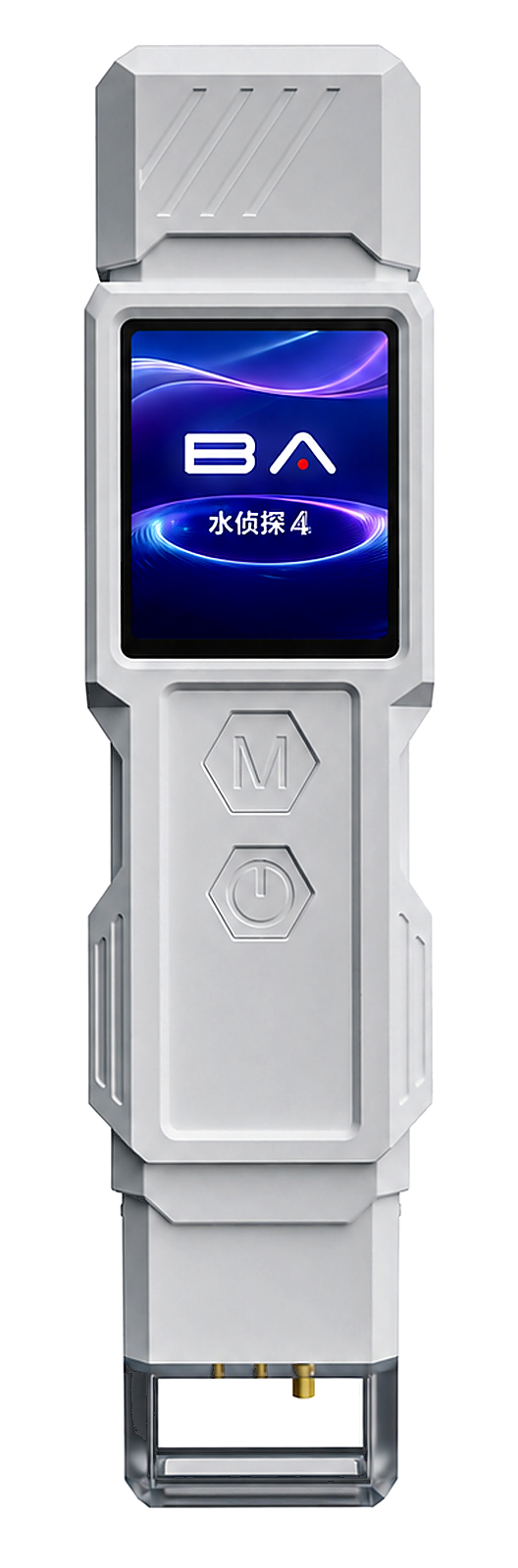
Changes in drinking behavior or the drinking water environment in senior cats, dogs and birds may be early signals of health problems. However, a household portable water quality test pen is not a laboratory analyzer and cannot directly diagnose pet diseases. This article introduces an observation and recording method using the Water Detective 4 multi-parameter water quality test pen as a tool, helping owners establish a baseline for pet drinking water changes, distinguish factors such as water source, water purification equipment and container cleanliness, and clarify when to consult a veterinarian or send samples for laboratory testing.
Intended users and decision questions
Applicable subjects
- Households keeping cats over 7 years old, dogs over 7 years old, and birds entering their middle and senior years (such as long-lived birds like parrots and finches).
- Owners who need to observe whether a pet's water intake is abnormal, whether the drinking water environment is stable, and whether the water purification filter element has failed.
- Households that wish to establish a baseline for drinking water changes to facilitate communication with a veterinarian.
Decision questions
- Have the drinking water parameters changed suddenly?
- Does the change come from the water source, water purification equipment, container cleanliness, or the pet itself?
- Is it necessary to replace the filter element, clean the water dispenser, or change the water source?
- Do you need to take your pet to the vet and submit a water sample for laboratory testing?
Important reminder
- The test pens in this guide (such as Water Detective 4) are intended only for rapid screening and trend comparison, not as laboratory analyzers.
- Test results cannot directly determine whether a pet is ill.
- If a pet shows obvious symptoms such as increased thirst, reduced drinking, lethargy, vomiting, diarrhea or weight loss, contact a veterinarian first.
Water sample/device/scenario boundaries
What can and cannot be measured
Water Detective 4 can rapidly measure nine indicators: TOC, COD, UV254, turbidity, TDS, conductivity, salinity, hardness and temperature. These indicators are used to compare change trends in water samples from the same source, or to compare differences between different water sources:
- TOC, COD, UV254: a rough screen reflecting the total amount of organic matter in water, which can indicate increases in organic matter such as food residue, biofilm shedding and plant-based contamination.
- Turbidity: reflects whether suspended particles in water have increased, which may be related to uncleaned containers, filter media shedding or water source disturbance.
- TDS, conductivity, salinity: reflect total dissolved solids and ion concentration, and can indicate changes in mineral content or evaporative concentration.
- Hardness: mainly reflects levels of cations such as calcium and magnesium; tap water hardness in some areas varies seasonally.
- Temperature: affects a pet's willingness to drink and is also related to the rate of microbial reproduction.
Cannot measure or cannot claim:
- Cannot measure lead, arsenic, nitrate, pesticides, bacteria, viruses, parasites, dissolved oxygen, ammonia nitrogen, nitrite or nitrate.
- Cannot measure disinfection by-products such as residual chlorine or chloramine in water.
- Cannot directly measure the drinking safety of water or pet health risks.
- If specific contaminants or microbial contamination are suspected, locally accredited laboratory methods must be used, such as atomic absorption spectroscopy (AAS), inductively coupled plasma mass spectrometry (ICP-MS), ion chromatography, PCR or culture methods.
Suitable observation scenarios
- Water in containers such as pet water dispensers, water bowls and cups.
- Tap water, bottled water, barreled water, and water dispenser outlet water.
- Water after drinking additives (such as dental cleaning liquid, electrolyte supplement liquid) have been added.
- Water left standing for different durations (0, 6, 12, 24 hours).
Scenarios not suitable for direct judgment
- Complex water bodies such as ponds, aquariums and outdoor water sources.
- Water that has become visibly turbid, has an odor, or has visible algae or biofilm (clean it first, and stop using it if necessary).
- Scenarios that require a legally valid test report.
Reproducible sampling and measurement steps
The following steps assume the use of Water Detective 4 or another portable multi-parameter test pen. Please read the product manual first and confirm the calibration status.
Step 1: Prepare and record the environment
- Fix the observation time, for example every morning before feeding or at the same time period each day.
- Prepare a clean sampling cup. A transparent glass or food-grade plastic cup without additives is recommended; avoid cups with detergent residue.
- Record the room temperature, water source type, container type, pet water fountain model, time of last cleaning, pet age, weight, medication status, etc.
Step 2: Sampling
- Take water from the container the pet actually drinks from; do not run water directly from the tap as a stand-in for the water in the fountain.
- Do not stir or vigorously shake the fountain before sampling, unless you want to assess turbidity after agitation.
- If the fountain has a filter, take "before filter" and "after filter" water samples separately for comparison; this can help determine whether the filter has failed.
- If it is a bird water bottle, take care not to contaminate the sampling cup with the bottle opening when taking water from the bottle.
Step 3: Measurement
- Rinse the sampling cup 1–2 times with the water sample to be tested, then take approximately 20–50 mL of the water sample.
- Turn on the test pen and complete the blank calibration as described in the instructions (if required).
- Immerse the probe in the water sample and ensure the water level reaches the specified depth for the probe; avoid touching the cup wall or bottom.
- Once the reading is stable, record all available parameters, at least TDS, conductivity, turbidity, TOC, UV254 and temperature.
- Repeat each measurement 2–3 times and take the median or average to prevent single-reading anomalies.
Step 4: Cleaning and Storage
- Immediately after measurement, rinse the probe with pure water or deionized water, then gently blot it dry with a clean paper towel.
- Do not rinse the probe directly with tap water; if conditions are limited, rinse with bottled purified water.
- Perform regular probe maintenance as described in the instructions, store in a dry environment, and avoid high temperatures and strong sunlight.
Common failure modes
- The sampling cup is not clean: residual detergent or minerals will significantly change conductivity and TOC.
- Bubbles in the water sample adhere to the probe surface: this affects optical and conductivity measurements; gently tap the cup wall to remove the bubbles.
- Water sample temperature not stabilized during measurement: a water sample just taken out of the refrigerator may give jumping temperature readings; wait until the temperature approaches room temperature.
- Optical window blocked by dirt: causes UV254 and TOC to read abnormally high; cleaning is required.
- Measuring only once: cannot distinguish transient fluctuations from real changes.
Branches under different conditions
- If the pet uses multiple water bowls: number them separately and sample each one individually; do not mix them.
- If the weather is hot or a heated pet water fountain is used: temperature affects conductivity; record the water temperature and take it into account during analysis.
- If medication or nutritional additives have been added to the water: such additives change TDS, conductivity and TOC; record the additive name and dose, and compare against a baseline without the additive.
- If the pet water fountain has just been cleaned or the filter cartridge replaced: measure once each on days 1, 3 and 7 after replacement to see whether the parameters return to the normal range.
How to interpret results and common interferences
Establish a baseline
Record continuously for at least 7 days, preferably 14 days, at the same time, from the same water source and in the same container. Calculate the average value and fluctuation range for each parameter. The baseline is not a standard limit, but the normal range of your own pet's drinking water environment.
Explanation of common changes
- TDS or conductivity suddenly rises: possible causes include evaporative concentration of the drinking water, failure of the water fountain filter cartridge, a change in water source, mineral accumulation because the container was not cleaned, or added electrolyte supplements. It needs to be compared with the original tap water.
- sudden increase in turbidity : possible causes include biofilm shedding in the container, release of particles from the filter element, food residue brought in by the pet's mouth, or an increase in suspended solids in the water source. An increase in turbidity does not necessarily indicate bacterial contamination, but it indicates that cleaning and further inspection are needed.
- TOC or COD or UV254 increase : may indicate increased organic contamination, such as food residue, saliva, biofilm, plant debris, etc. This alone cannot determine whether it is pathogenic, but cleaning should be strengthened and the pet's condition observed.
- hardness or salinity change : mostly related to changes in the water source, for example switching from a hard-water area to a soft-water area, or using a water softener or RO purifier. Pets can usually adapt to a certain range, but extremely high or extremely low hardness may affect water intake.
- temperature : older pets are sensitive to water temperature; water that is too cold may reduce water intake, while water that is too warm may promote microbial growth. It is recommended to keep it at room temperature or slightly warm.
Common interferences
- Water sample standing time: after the same bowl of water has been left for 24 hours, TDS may rise due to evaporation, and TOC may change due to air contact and biological activity. Therefore, sampling must be done at a fixed time point.
- Effect of temperature on conductivity: conductivity rises as temperature increases. A test pen with temperature compensation will correct for this, but the water temperature still needs to be recorded.
- Air bubbles, contamination of the optical window, and direct ambient light may affect UV254 and turbidity. Avoid direct sunlight on the optical window during measurement.
- Unsteady handheld holding causes readings to fluctuate: place the test pen on a stable stand and wait for the reading to stabilize before recording.
Key boundaries
Any parameter outside the historical range of your pet's drinking water environment does not mean the pet is already sick. Likewise, the absence of abnormal parameters cannot rule out pet health problems. Water quality screening addresses "whether the water environment has changed," not "whether the pet's body is normal."
When to retest, stop using, or send to a laboratory
Situations in which retesting is recommended
- After changing the water source, water purification filter element, water dispenser model, or water bowl material, measure and record every day for 7 consecutive days.
- After seasonal changes, after water supply resumes following a shutdown, and after cleaning the water tank, measure continuously for 3 days.
- When a pet shows a change in water intake but its spirit and appetite are normal, you can start daily water quality records while contacting the veterinarian, as supplementary information.
Situations where it is recommended to stop using that water sample and clean/replace
- Visible turbidity, floating matter, a slimy feel, or odor (such as fishy, musty, or rotten smells).
- The turbidity measurement is much higher than your household baseline, and repeated measurements remain high.
- The water dispenser filter has exceeded its rated life, or the outlet TDS/conductivity has clearly worsened compared with a new filter.
- After measurement, fine particles or bubbles are suspected in the water, and they recur even after cleaning.
Situations requiring laboratory testing
- Suspected specific contaminants in the water: lead, copper, zinc, arsenic, nitrate, nitrite, ammonia nitrogen, pesticides, volatile organic compounds, bacteria (such as E. coli), viruses, or parasites (such as Cryptosporidium and Giardia).
- The pet has recurrent gastrointestinal symptoms or unexplained liver or kidney function abnormalities, and the veterinarian recommends testing the drinking water.
- The water source is well water or surface water, or after flooding/extreme weather.
- A water quality report is needed for legal or insurance purposes.
For laboratory testing, consult a local qualified third-party testing organization or public health department, and collect and submit samples according to local regulatory requirements. Do not use portable device readings as official evidence.
记录表/行动清单
Example daily log
Record using the table below, or convert it to a mobile spreadsheet. Record the median for each parameter.
| Date | Time | Water source type | Container type | Room temperature (°C) | Water temperature (°C) | TDS (ppm) | Conductivity (µS/cm) | Turbidity (NTU) | TOC | UV254 | Remarks |
|---|---|---|---|---|---|---|---|---|---|---|---|
| 2025-01-01 | 08:00 | Tap water for direct drinking | Stainless steel bowl | 22 | 20 | 120 | 240 | 0.5 | 1.2 | 0.01 | None |
| ... | ... | ... | ... | ... | ... | ... | ... | ... | ... | ... | ... |
Note: Different test pens may use different units; refer to the instructions. The values in the table are examples only and are not standard limits.
Action checklist
- [ ] Prepare a clean sampling cup and a record notebook
- [ ] Fix a daily sampling time
- [ ] Record continuously for 7–14 days to establish a baseline
- [ ] Record the water source, container, filter life and cleaning date
- [ ] If an abnormality appears, clean the container first and re-test
- [ ] If the abnormality persists after cleaning, consider replacing the filter or the water source
- [ ] If the pet shows obvious health symptoms, contact a veterinarian immediately
- [ ] If a specific contaminant is suspected, contact a laboratory to sample and submit for testing according to standard procedures
- [ ] Calibrate and maintain the test pen regularly (according to the instructions)
FAQ (Frequently Asked Questions)
Q: The test pen shows a very low TDS — does that mean the water is definitely safe? A: No. Low TDS only means there are few dissolved solids; it cannot reflect microorganisms, heavy metals or specific chemical contaminants. Drinking water safety needs to be assessed together with the source, disinfection method and laboratory testing.
Q: The water in the pet water fountain looks cloudy, but the TDS has not changed. What is the cause? A: Turbidity is suspended particles, while TDS reflects dissolved substances; the two are independent. Cloudiness may be caused by filter shedding, biofilm, air bubbles or food residue, and does not necessarily change TDS. The equipment should be cleaned and observed.
Q: An elderly cat suddenly drinks a lot of water, and the water quality test is normal. What should be done? A: Changes in drinking behavior may be a sign of disease, such as chronic kidney disease, diabetes or hyperthyroidism. Even if the water quality is normal, contact a veterinarian as soon as possible; water quality records can serve as a reference but cannot replace an examination.
Q: Can this test pen be used to judge whether a pet water dispenser filter should be replaced? A: It can serve as a trend aid: record changes in TDS, TOC and turbidity with a new filter and after a period of use. If TOC or turbidity rises noticeably and does not improve after cleaning, this may indicate that the filter's adsorption capacity has declined. However, filter life should still be replaced according to the manufacturer's recommendations and water usage, and readings alone should not be the sole basis.
Q: Bird water bottles are very small, so how should a sample be taken? A: Use a clean dropper or syringe to take water from the water bottle and transfer it to a sampling cup, avoiding contamination of the bottle opening. If the water volume is insufficient, water from a spare bottle may be added in advance before measurement, but note that this is not the actual drinking water.
References and Regional Applicability
- World Health Organization. Guidelines for drinking-water quality: fourth edition incorporating the first addendum. Geneva: World Health Organization; 2017. https://www.who.int/publications/i/item/9789241549950 (provides a framework for microbiological, chemical and radiological parameters in drinking water, without pet-specific limits)
- United States Geological Survey. Water Properties: Specific Conductance and Total Dissolved Solids. USGS Water Science School. https://www.usgs.gov/special-topics/water-science-school/science/water-properties (explains the relationship between conductivity and TDS and the effect of temperature)
- United States Environmental Protection Agency. National Primary Drinking Water Regulations. https://www.epa.gov/ground-water-and-drinking-water/national-primary-drinking-water-regulations (lists regulated contaminants and maximum contaminant levels, which require laboratory testing for confirmation)
- Centers for Disease Control and Prevention. Water Quality and Testing. https://www.cdc.gov/healthywater/drinking/public/water_quality.html (introduces drinking water testing and the significance of routine water quality parameters)
Regional applicability: the reference sources above are mainly international guidelines and U.S. federal materials, applicable to general principles. Specific drinking water safety limits, laboratory qualifications and sampling methods vary by region. In mainland China, please refer to the Standards for Drinking Water Quality (GB 5749-2022) and the requirements of the local CDC/water supply department; for pet medical advice, please follow the guidance of a local licensed veterinarian. This article does not constitute proof of water quality compliance or a veterinary diagnosis.