
Which parameters must be tested separately during new tank cycling: a step-by-step guide
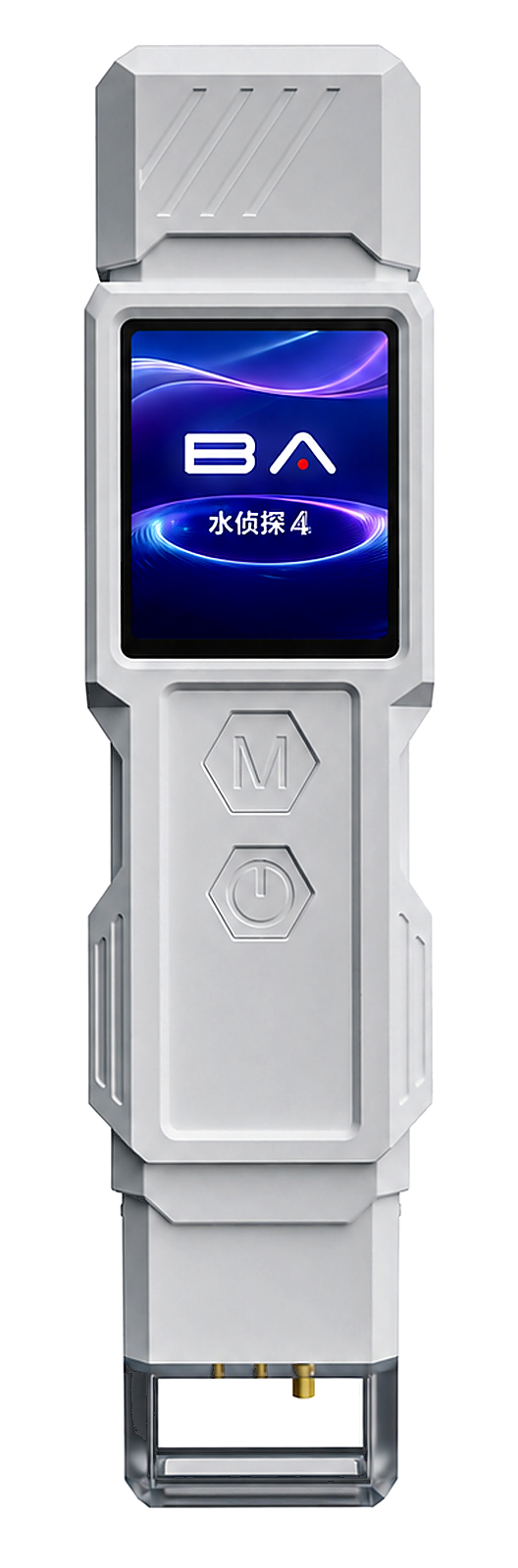
Tank cycling is the stage most prone to "false success" in freshwater and marine ornamental fish keeping. Many household multi-parameter test pens (such as AtomBit Water Detective 4) can quickly display TDS, conductivity, salinity, hardness, temperature, turbidity, UV254, TOC, COD and other parameters, but these are for screening and trend observation and cannot directly answer "has the nitrification system been established" or "is the water suitable for adding fish". The reason is that ammonia nitrogen, nitrite and nitrate, the three core parameters of the nitrogen cycle, require dedicated reagents or laboratory methods, and Water Detective 4 does not include these three, nor does it include pH, dissolved oxygen, residual chlorine or microbiological parameters. Starting from practical decisions, this article separates "which parameters must be tested separately" from "which can be managed for trends with a multi-parameter pen" and provides a reproducible set of testing steps for the cycling period.
Intended users and decision questions
This article is intended for household freshwater and marine aquariums, small aquarium studios, aquarium service personnel, and users who use portable multi-parameter test pens for routine management. During tank cycling you will repeatedly face the following decisions:
- Can test fish or permanent fish be added now?
- How should water change frequency and volume be determined?
- Should tap water or RO water be used, and does hardness need to be adjusted?
- Is the whitish, cloudy water physical or biological?
- Does an increase in TOC/COD/UV254 indicate excess organic matter?
- Which parameters must be sent to a laboratory or tested with dedicated test kits?
Of these decisions, only some can be handled with Water Detective 4; the others must be tested separately.
Water samples, equipment and scenario boundaries
Water Detective 4 is a portable multi-parameter detector for on-site screening, capable of measuring TOC, COD, UV254, TDS, electrical conductivity (EC), turbidity, hardness, salinity and temperature on the same detection platform. It is suitable for household water, comparison of water purifier performance, and routine water sample screening. However, in tank setup scenarios, the boundaries must be clearly defined:
- Suitable water samples: tap water, RO water, aquarium water, freshly prepared freshwater/seawater, and the sample has no obvious large suspended particles.
- Unsuitable water samples: high-turbidity muddy water, and water samples containing large amounts of algae or flocs may interfere with optical measurement; excessively high/low water temperature may affect readings and sensor life.
- Substances/indicators that cannot be measured: ammonia nitrogen, nitrite, nitrate, pH, dissolved oxygen, residual chlorine, heavy metals (lead, arsenic, cadmium, etc.), pesticides, bacteria, viruses, parasites. These indicators are crucial to tank setup and fish health and must be confirmed using laboratories or dedicated test kits according to local requirements.
- Purpose of measurement results: only for screening, comparison and trend observation; cannot be used as proof of drinking water safety, pet health or aquaculture compliance.
Step-by-step sampling and measurement procedure
To make trend data comparable, please fix the sampling location, depth, time and container.
Step 1: Prepare sampling tools
Prepare a clean sampling bottle free of detergent residue, and rinse it 2–3 times with the water sample to be tested before each use. Do not clean the sampling bottle with soap or dishwashing liquid, to avoid residual surfactants affecting TOC/COD and turbidity readings. If using the same pen to measure different water sources, rinse the probe/detection channel with pure water or deionized water before measurement, and rinse again with the water sample to be tested.
Step 2: Fix the sampling point and time
It is recommended to sample in the middle of the aquarium, away from the filter outlet and substrate disturbance. Measure at the same time period every day (e.g., 1 hours after feeding or before water change) to reduce the diurnal effects of light, temperature and food residue. Record environmental information such as water temperature and room temperature.
Step 3: Measure and record screenable indicators
- Temperature: Immerse the test pen in the water sample, wait for the reading to stabilize, and record the temperature. During tank cycling, the temperature should remain stable, avoiding short-term fluctuations exceeding 2°C (for the specific range, consult reference materials for the fish species).
- TDS/EC/Salinity: These three parameters reflect the total amount of dissolved inorganic salts. When measuring, ensure the probe is fully submerged and avoid air bubbles clinging to it. If the water sample has just been changed or salt has been added, wait for it to fully dissolve before measuring.
- Hardness: The hardness value given by the test pen must be accompanied by the unit and measurement method (for details, please refer to the product instructions). During tank cycling, drastic changes in hardness will aggravate fish stress and should be avoided.
- Turbidity: When reading the turbidity value, gently swirl the water sample to mix it evenly but avoid introducing air bubbles, as bubbles will cause falsely elevated turbidity readings.
- UV254/TOC/COD: These three are all organic-matter-related screening indicators. UV254 mainly reflects aromatic/humic-type organic matter, TOC is total organic carbon, and COD is chemical oxygen demand. Before measuring, confirm that the test channel is clean and free of residue from the previous water sample.
Step 4: Test ammonia nitrogen, nitrite, nitrate, and pH separately
Ammonia nitrogen, nitrite, and nitrate must be tested using a reliable liquid test kit or laboratory method. During tank cycling, it is recommended to test once a day or every other day until ammonia nitrogen and nitrite remain at 0 for several consecutive days and nitrate is stable, then gradually reduce the frequency. pH is also recommended to be measured separately, especially when using CO2 or adjusting hardness.
Step 5: Record and compare
Record all data in a table, including date, time, temperature, TDS, EC, salinity, hardness, turbidity, UV254, TOC, COD, as well as separately tested ammonia nitrogen, nitrite, nitrate, and pH, and note operations such as water changes, adding bacteria, and feeding. Only continuous records can reveal trends.
How to interpret results and common interferences
Temperature
Too low a temperature will slow the reproduction of nitrifying bacteria, while too high a temperature will reduce dissolved oxygen. During tank cycling, keeping the temperature stable is more important than pursuing a certain "optimal value." For the specific suitable temperature, please consult aquarium reference materials for the fish species being kept.
TDS/EC/Salinity
- Tap water usually has a higher TDS (the specific value varies by region), while RO water has a very low TDS. In the early stage of setting up a tank, TDS may rise due to minerals released from the substrate and filter media; this is normal.
- If the TDS in a freshwater tank continues to rise substantially within a short period, it may indicate excessive accumulation of dissolved substances, and a water change may be considered.
- The salinity of a marine tank must be confirmed separately with a calibrated salinity meter/optical hydrometer. The salinity readings of the Water Detective 4 are for screening and trend purposes and cannot replace precise salinity measurement.
Hardness
Hardness affects the osmoregulation of fish and the stability of the nitrification system. During the tank setup period, do not frequently use chemicals to adjust hardness; priority should be given to water changes or selecting a suitable water source. If the hardness reading of the test pen differs greatly from the value published by the local water utility, recalibration or laboratory comparison may be needed.
Turbidity
Common causes of white, cloudy water in the early stage of a new tank include: dust from the substrate/filter media, bacterial blooms, and micro bubbles. If turbidity does not continue to decrease and is accompanied by rising TOC/COD, there may be excessive organic matter or insufficient filtration. At this time, physical filtration and water changes should be strengthened rather than blindly adding water clarifiers.
UV254/TOC/COD
These three items are used to observe trends in organic load:
- Slight fluctuations in values are normal; focus on sustained increases or sudden jumps.
- UV254 is relatively sensitive to humic substances, lignin, etc.; TOC reflects total organic carbon; COD reflects the total amount of reducing substances that can be oxidized. They cannot identify specific types of organic matter, nor can they determine whether it is toxic. If the values rise abnormally and fish show abnormalities, laboratory testing for specific pollutants is needed.
- Common interferences: residue in the sampling bottle, contamination of the detection channel, changes in water sample temperature, direct strong light, and bubbles. Before measurement, clean and calibrate strictly according to the product instructions.
Common failure modes and how to avoid them
- Relying on TDS alone before adding fish: TDS does not reflect ammonia or nitrite toxicity. While the nitrogen cycle is not yet established, TDS may look normal even though ammonia is above the limit. Avoidance: during tank cycling, always use liquid test kits to measure ammonia and nitrite.
- Not rinsing before measurement: residual old sample causes reading drift. Avoidance: rinse 2–3 times with the water sample to be tested each time.
- Treating TOC as COD: the two have different units and principles and cannot be converted directly. Avoidance: record them separately and only compare trends.
- Ignoring temperature compensation: conductivity is strongly affected by temperature; if the tester has no automatic temperature compensation, manual conversion is required. Avoidance: check the product instructions to confirm whether automatic compensation is provided.
- Bubbles interfering with turbidity/optical measurements: bubbles cause falsely high readings. Avoidance: let the sample stand or gently tap the container to remove bubbles before measuring.
- Inconsistent sampling location: water quality differs greatly between surface scum and near the bottom substrate. Avoidance: always sample from the middle of the tank.
When to retest, stop using, or send to a laboratory
- Ammonia/nitrite/nitrate: always use dedicated test kits or laboratory methods; do not substitute a multi-parameter pen. During tank cycling, if ammonia > 0.25 mg/L or nitrite > 0.1 mg/L (common reference values only; consult local aquaculture/veterinary sources for specific thresholds), postpone adding fish and increase water changes/bacterial supplementation.
- Water Detective 4 retest frequency: during the tank cycling phase, 2–3 times per week is recommended, with one measurement before and one after each water change; once the tank is stable, 1 time per week is sufficient.
- If TOC/COD/UV254 continues to rise abnormally, turbidity remains high, or fish show abnormal mortality, stop relying on portable screening and contact a local aquarium laboratory or relevant testing institution for analysis of specific pollutants.
- Any testing involving compliance, drinking-water safety, insurance or disputes must be performed by a qualified laboratory.
Branch recommendations for different tank cycling scenarios
- Freshwater bare tank: focus on TDS/EC, hardness, turbidity; use test kits for ammonia nitrogen/nitrite.
- Freshwater planted tank/driftwood tank: UV254/TOC may rise due to humic substances released by driftwood, which is normal, but if it keeps rising, increase water changes.
- Marine tank: salinity must be precisely controlled with an optical hydrometer; the salinity reading of Water Detective 4 is for screening only. Hardness and TDS have different reference meanings than in freshwater and must be judged against marine standards.
- Starting a tank with RO water: initial TDS is very low, so minerals need to be supplemented; hardness may be too low, so additives are needed along with separate testing.
- Small tank/quarantine tank: small water volume means water quality fluctuates quickly, so testing frequency should be higher; Water Detective 4 can quickly screen multiple parameters, but test kits are still needed to measure the nitrogen cycle.
记录表/行动清单
The following table can serve as a testing record template for the tank startup period.
| Date | Time | Temperature (°C) | TDS (ppm) | EC (µS/cm) | Salinity (ppt) | Hardness | Turbidity (NTU) | UV254 | TOC | COD | Ammonia nitrogen (tested separately) | Nitrite (tested separately) | Nitrate (tested separately) | pH (tested separately) | Operation notes | |---|---|---|---|---|---|---|---|---|---|---|---|---|---|---|---| | Example | 09:00 | 26 | 150 | 300 | 0.1 | ... | 0.5 | ... | ... | ... | 0 | 0 | 5 | 7.0 | Water change 1/3 |
Note: the specific values in the table are for format illustration only and do not represent any product reading or recommended value. For the units of each parameter, refer to the product manual.
Action checklist:
- Confirm the water source before starting the tank: tap water needs dechlorination, and RO water needs essential minerals supplemented; use Water Detective 4 to record the initial TDS/EC/hardness.
- Keep the measurement conditions fixed each time and record complete data.
- Test ammonia nitrogen and nitrite with liquid reagents every day or every other day until both are zero and stable.
- Before and after water changes, use Water Detective 4 to compare TDS/EC, turbidity and TOC/COD and observe the trends.
- If ammonia nitrogen/nitrite exceeds the limit, immediately postpone adding fish, strengthen aeration and water changes, and you may add nitrifying bacteria.
- Record continuously for at least 4–6 weeks, until the nitrogen cycle stabilizes.
FAQ
Q: Can Water Detective 4 measure ammonia nitrogen, nitrite or nitrate? A: No. Water Detective 4 measures TOC, COD, UV254, TDS, EC, turbidity, hardness, salinity and temperature; it does not include ammonia nitrogen/nitrite/nitrate. These three are key to the success of tank cycling and must be tested separately using liquid reagent kits or laboratory methods.
Q: During tank cycling, is it enough to judge using only a TDS pen? A: Not enough. TDS only reflects the total amount of dissolved inorganic salts; it cannot reflect toxic indicators such as ammonia nitrogen and nitrite, nor can it directly reflect the maturity of the nitrification system. It is recommended to use dedicated reagent kits together with organic-matter trend screening.
Q: Can the salinity reading of Water Detective 4 be used for marine tanks? A: It can be used for screening and trend observation, but it cannot replace a calibrated optical hydrometer or laboratory salinometer. Marine tanks have strict salinity requirements; separate precise measurement is recommended.
Q: Does an increase in TOC/COD mean the water is toxic? A: No. An increase in TOC/COD indicates a rise in organic load, which may come from feed, excrement, driftwood, etc., and must be judged together with turbidity, ammonia nitrogen/nitrite and fish condition. If it remains abnormal, laboratory testing for specific pollutants should be arranged.
Q: What should I do if the test pen reading jumps or is abnormal? A: First check whether the probe/test channel is clean, whether there are bubbles, and whether the water sample temperature is stable; re-rinse and measure according to the product instructions. If it is still abnormal, contact the manufacturer or send it to a laboratory for comparison.
References and Regional Applicability
This article is a general operating guide and does not constitute specific water-quality safety or aquaculture compliance advice. For the thresholds and fish tolerance ranges for ammonia nitrogen, nitrite, nitrate and pH mentioned in this article, please consult local aquaculture/veterinary extension agencies or university aquaculture materials; tap water quality and fish species requirements vary considerably between regions, so local conditions must be taken into account. The World Health Organization Guidelines for Drinking-water Quality apply only to drinking water, not to aquarium tank water. Product parameters, ranges, accuracy and certification information are subject to AtomBit official specifications; this article does not cite specific values. To confirm specific pollutants, you must contact a locally qualified laboratory.