
1. First define the question: what you need to confirm is "water source safety", not a single reading
Preparing formula powder for infants places higher demands on water than ordinary adult drinking water, because an infant's immune system, kidney function and intake per unit body weight are all more sensitive. Concerns include microorganisms (bacteria, viruses, parasites), chemical contaminants (lead, arsenic, nitrate, nitrite, pesticides, etc.), physical properties (turbidity, color, odor) and handling hygiene.
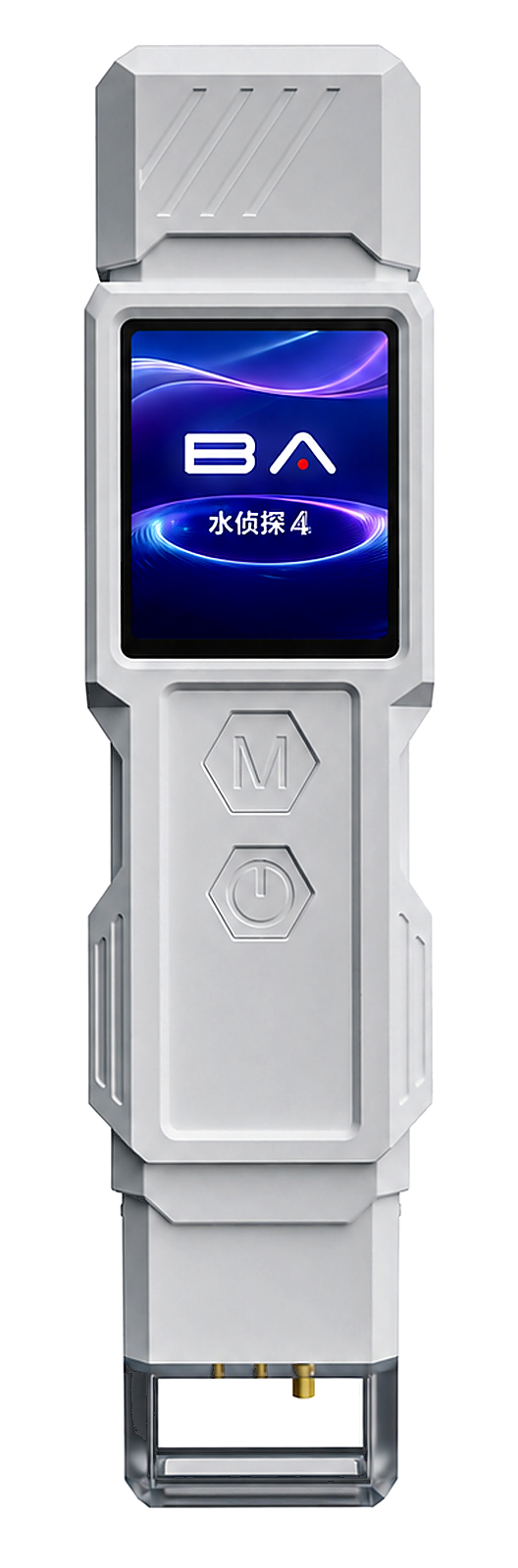
Portable multi-parameter devices such as AtomBit's Water Detective 4 measure TOC, COD, UV254, turbidity, TDS, conductivity, salinity, hardness and temperature. These are valuable parameters for screening, comparison and trend observation, but they are not identification of specific contaminants. In other words, they can indicate that "the water sample is different from usual" or that "the difference between the water purifier outlet and the raw water has become smaller", but they cannot produce the conclusion that "this cup of water is safe".
A common misconception: assuming that water is necessarily safe just because TDS is low and turbidity is low. This is wrong. For example, water with very low TDS may still contain bacteria or trace lead; water with very low turbidity may still contain dissolved nitrate or viruses. Therefore, the goal of this article is to help readers use the right tools, read trends correctly, and decisively turn to a laboratory when needed.
The intended audience includes: parents or caregivers responsible for preparing formula powder, users of water purifiers in maternal and infant households, buyers of maternal and infant products, and product managers and hardware R&D personnel who want to incorporate portable water-quality screening logic into water purifiers or smart water bottles. The decision questions are usually: can this cup of water be used to prepare formula? Does the water purifier need a filter replacement? What should be done next when a portable test pen gives an abnormal reading?
2. What Water Detective 4 can and cannot show in such scenarios
Water Detective 4 integrates nine parameters, but each parameter has clear boundaries. A quick-reference table is given first below, followed by separate explanations.
| Parameter | Trends it can indicate | Common misconception | Specialized tests it cannot replace |
|---|---|---|---|
| TOC (Total Organic Carbon) | Trend of total organic matter in water; a sudden increase may indicate that organic contamination has entered | High TOC does not mean toxic | Specific organic pollutants (pesticides, solvents, etc.) require chromatography/mass spectrometry |
| COD (Chemical Oxygen Demand) | Total amount of oxidizable substances in water, used to compare changes in water quality | COD cannot detect heavy metals | Heavy metals, pesticides, microorganisms |
| UV254 | Relative level of organic matter containing aromatic structures or conjugated double bonds; commonly used for trends of natural organic matter/disinfection by-product precursors | UV254 High does not mean disinfection by-products exceed standards | Trihalomethanes, haloacetic acids, etc. require dedicated testing |
| Turbidity | Suspended particles and colloids; increased turbidity may indicate inlet particles or biofilm sloughing | Low turbidity does not mean sterile | Bacteria, viruses, parasites require microbiological culture or molecular methods |
| TDS (Total Dissolved Solids) | Total dissolved inorganic salts; used for comparing desalination rate of water purifiers and taste changes | Low TDS does not equal safe | Specific ions such as lead, arsenic and nitrate require individual analysis |
| Electrical conductivity (EC) | Ion activity in water, highly correlated with TDS; can be used for trend comparison | EC cannot distinguish between ion types | Hardness, chloride, nitrate and others require dedicated testing |
| Salinity | Another way of expressing dissolved salt content, mainly affects taste | Salinity readings cannot determine whether sodium/chloride exceeds limits | Sodium and chloride require dedicated testing |
| Hardness | Concentration of ions such as calcium and magnesium; affects scaling and taste | High hardness does not equal contamination | Specific metals and scaling risk require professional assessment |
| Temperature | Directly affects measurement and taste; requires temperature compensation | Temperature is not a safety indicator | — |
Special emphasis is needed: the COD and TOC readings of the Water Detective 4 are UV254 based on an optical method for portable screening, not a laboratory standard method; their values are for comparison and trends and should not be directly equated with laboratory data such as national standards or EPA methods. It cannot measure lead, arsenic, nitrate, nitrite, pesticides, bacteria, viruses, parasites, dissolved oxygen, ammonia nitrogen, etc. Any claim that a portable test pen can directly measure these substances and determine safety on that basis is not rigorous.
III. Reproducible sampling and measurement steps
To obtain readings usable for trend judgment, sampling and operation must be consistent. The following steps are for household scenarios and are especially suitable for quick screening before mixing formula powder.
- Prepare the container: Use a clean glass or food-grade plastic cup with no residue, and rinse it 2–3 times with the water sample to be tested. Check whether the test pen probe is clean and clean it as instructed if necessary.
- Run the water: If it is tap water or water purifier output, first open the faucet and let the water run for at least 30 seconds to flush out water that has been sitting in the pipes. If it is bottled water, shake gently to mix, let it stand briefly, then take the sample.
- Sample: Pour the water sample into a clean container, avoiding contact of fingers with the probe and the inside of the water sample. Avoid vigorous stirring that generates bubbles; in particular, no bubbles may adhere near the turbidity and optical windows.
- Measure: Immerse the probe completely, wait for the temperature reading to stabilize, then record each parameter. You may take 3 consecutive readings and take the stable middle value or record the range.
- Compare: Collect raw water (for example, tap water) and water purifier output on the same day and measure them separately for comparison.
- Record: Log the data using the record table in Section 6 and keep the trends.
Branches for different scenarios:
- Purifier output: It is recommended to measure both the raw water and the purified water at the same time and calculate the TDS removal rate. If the TDS of the RO machine output is close to 20% or more of the raw water, the filter may need to be checked.
- Bottled water: When measuring, note whether it has been stored too long after opening; the temperature should be consistent with room temperature; testing immediately after opening is more reasonable.
- bottled water : The inside of the water dispenser may have secondary contamination. It is recommended to remove the bottle and sample directly from the bottle, and also test a sample from the dispenser outlet for comparison.
- well water or other non-municipal water sources : Even if all portable readings are normal, laboratory microbiological and chemical testing should be performed regularly, because some risks cannot be covered by portable parameters.
Common failure modes in operation:
- Probe contamination (residue from a previous high-TDS water sample) causes readings to be too high.
- Bubbles in the water sample adhere to the turbidity/optical window, causing abnormal turbidity or optical readings.
- Rapid temperature changes without waiting for temperature equilibration.
- Readings drift when out of range or with low-conductivity water samples.
- Suspended solids settle after the water sample stands, so readings of the supernatant differ from those of the shaken sample; the sampling method should be clearly recorded.
4. How to interpret results: focus on changes, not isolated values
A single measurement can hardly determine safety; trends and comparisons are more important. It is recommended to establish a baseline: measure and record over several consecutive days under normal use, with a newly replaced filter, or with a stable water source, to obtain the typical range of household water.
- If TDS/EC/salinity is significantly higher than usual: the water source may have changed or the desalination capacity of the water purifier may have declined; if the TDS of raw water and purified water are close, the desalination rate has decreased.
- If turbidity increases and remains cloudy after standing: this indicates suspended solids, possibly from pipe disturbance, filter damage or microbial growth; stop using it for formula preparation first and investigate further.
- If TOC/COD/UV254 rise simultaneously: this indicates an increased organic load, possibly related to source water contamination, aging pipes, or saturation of the activated carbon in the water purifier. At this point it is not possible to determine whether harmful organic substances are present; laboratory confirmation is required.
- Hardness changes: these usually affect taste and scaling, and are not an acute safety risk, but a sudden change may indicate a switch in water source.
Judgment thresholds: do not rely on fixed "safe values" circulated online, because raw water quality and standards differ from place to place. Portable device readings are for comparison with your own baseline, not for determining compliance with national or sanitary standards. For example, if a household RO purifier's outlet TDS has long been 10–20 mg/L and one day suddenly rises to 80 mg/L, although 80 mg/L itself may still be below many standards, the relative change already indicates an abnormality in the filter cartridge or water source, and inspection is needed.
A reminder for product managers and hardware R&D: if these parameters are to be integrated into maternal and infant water purification devices or smart cups, promotional messaging should clearly position them as "screening, trend, filter life reminders" and must not claim that they can directly detect lead, bacteria, or safety compliance. TDS/turbidity values displayed on the screen must be accompanied by a clear explanatory interface to prevent users from misreading them as proof of safety.
V. When use must be stopped and testing referred to a laboratory
If any of the following occurs, suspend use of that water source for preparing formula powder and contact a qualified local laboratory for testing:
- The water source is affected by flooding, overflow, pipe construction, or obvious odor/abnormal color/turbidity.
- The infant or a family member experiences gastrointestinal discomfort or diarrhea suspected to be water-related.
- Untreated water sources such as well water or mountain spring water are used, and full microbiological and chemical testing has never been performed.
- Portable testing shows turbidity, TOC/COD/UV254, or TDS suddenly deviating greatly from baseline and cannot be explained.
- The water purifier filter cartridge has reached the end of its life or has been improperly maintained, and outlet water quality indicators are abnormal.
- The local health department issues a drinking water warning or boil water notice.
Laboratory testing items should include at least: total coliforms/Escherichia coli, nitrate/nitrite, lead, arsenic, and, depending on the water source type, add pesticides, volatile organic compounds, etc. For specific items, consult the local health or water authority. Portable device readings cannot serve as proof of compliance, nor can they rule out these risks.
If users wish to verify portable device readings with laboratory methods, they can collect parallel water samples at the same time: one measured on site with the test pen, and the other collected per laboratory requirements and sent for testing, then compare whether the trends of comparable parameters such as TDS and turbidity are consistent. Note, however, that systematic bias exists between laboratory methods and portable methods, and trend consistency is more informative than absolute values.
VI. Record sheet and action checklist
Keeping a simple record helps identify trends, especially when multiple people care for the infant. A reusable template is provided below.
| Date/time | Water source type | Whether to flush | Temperature (°C) | TDS (mg/L) | EC (µS/cm) | Turbidity (NTU) | TOC/COD/UV254 (if any) | Hardness/salinity | Notes and actions |
|---|---|---|---|---|---|---|---|---|---|
| 2025-01-01 08:00 | Water purifier outlet | Yes | 25 | 12 | 24 | 0.3 | Low/Low/Low | Soft/Low | Normal baseline |
| 2025-01-01 08:05 | Raw water | Yes | 25 | 180 | 360 | 0.5 | Medium/Medium/Medium | Hard/Medium | Comparison |
Action checklist:
- Check that the probe is clean before each measurement and use the same procedure.
- If an abnormal reading occurs, re-measure immediately; if it is still abnormal, stop using the device and investigate the cause.
- Regularly (for example, weekly or every two weeks) compare the raw water with the treated water output.
- Re-establish the baseline after replacing the filter cartridge.
- Do not use portable testing to detect bacteria, lead, nitrate, etc.; if you suspect a problem, collect a sample and send it directly to a laboratory.
- If there is a newborn or premature infant in the household, follow the water-use advice of pediatricians and local health authorities first; portable testing serves only as a supplementary observation.
7. Summary of common misconceptions corrected
- "Low TDS means good/safe water." TDS only reflects the total amount of dissolved solids and cannot reflect microorganisms or specific contaminants.
- "Low turbidity means no bacteria." Turbidity is an indicator of suspended solids; many pathogens can still be present in low-turbidity water.
- "UV254 can measure pesticides." UV254 can only show the relative level of organic matter with specific absorption characteristics and cannot identify specific compounds.
- "High COD means heavy metals are present." COD reflects oxidizable substances; heavy metals generally do not contribute to COD.
- “Boiling solves all problems.” Boiling kills most bacteria and viruses, but it cannot remove chemical contaminants such as lead, arsenic and nitrate, and may not eliminate all parasites.
- “Bottled water is definitely safe, no need to test.” After opening, secondary contamination is possible, and storage conditions also affect water quality; screening is still meaningful, but it cannot prove sterility.
- “High hardness means contamination.” Hardness comes from ions such as calcium and magnesium; it occurs naturally and is not necessarily harmful.
- “If one measurement is normal, it is safe forever.” Water quality changes, so continuous trend observation is necessary.
VIII. FAQ
Q1: Can Water Detective 4 detect bacteria? No. It measures physical and chemical parameters and cannot identify bacteria, viruses or parasites. If microbial contamination is suspected, samples should be sent to a laboratory for testing by standard methods.
Q2: Before preparing formula powder, is it enough to test with this detector pen and then rest assured? No. The detector pen provides screening information that helps identify anomalies or compare water purifier performance, but it cannot replace laboratory confirmation of microorganisms and specific chemical contaminants. For high-risk water sources, portable readings alone are not enough.
Q3: Does a very low TDS value (for example <10 mg/L) mean the water is definitely safe? No. Low TDS only means there are few dissolved solids; it does not mean there are no bacteria, viruses or trace harmful substances. It needs to be considered together with the water source and laboratory testing.
Q4: If the turbidity reading suddenly rises but the water does not look cloudy, what should be done? First retest to rule out bubbles or probe contamination. If it is still high, stop using the water and check the source water, water purifier and storage containers, and if necessary send samples to a laboratory for microbial testing.
Q5: Can this type of device replace water quality reports from regulatory agencies? No. Regulatory compliance and legal limits must be tested by qualified laboratories using standard methods; portable devices are only for screening and trend observation.
Q6: How often should retesting be done? If using a stable municipal water source and a well-maintained water purifier, test once a week or every two weeks for comparison; increase the frequency when replacing filter cartridges, when the water source changes, or when there are anomalies. When using well water or an unknown water source, consult local authorities and arrange regular full-panel laboratory testing.
IX. Regional Applicability and Limitations
Drinking water standards and recommendations for preparing infant formula powder differ among countries and regions. The general advice in this article does not replace local regulations or guidance from doctors/health departments. Portable device readings do not have universally applicable safety thresholds; if readers need to determine legal compliance, they must refer to the methods and limits issued by local regulatory agencies.
References
- World Health Organization. Guidelines for drinking-water quality, 4th edition, incorporating the first addendum. Geneva: WHO; 2017. https://www.who.int/publications/i/item/9789241549950
- United States Environmental Protection Agency. Secondary Drinking Water Standards: Guidance for Nuisance Chemicals. https://www.epa.gov/sdwa/secondary-drinking-water-standards-guidance-nuisance-chemicals
- United States Geological Survey. Hardness of Water, Water Science School. https://www.usgs.gov/special-topics/water-science-school/science/hardness-water
- United States Environmental Protection Agency. Home Water Testing. https://www.epa.gov/ground-water-and-drinking-water/home-water-testing
Note: The above links help readers understand water quality indicators and laboratory testing, but specific limit values and testing methods are subject to local authorities.